

What’s the best conservatory roof? A roof-by-roof breakdown
- 21 September 2026
- News
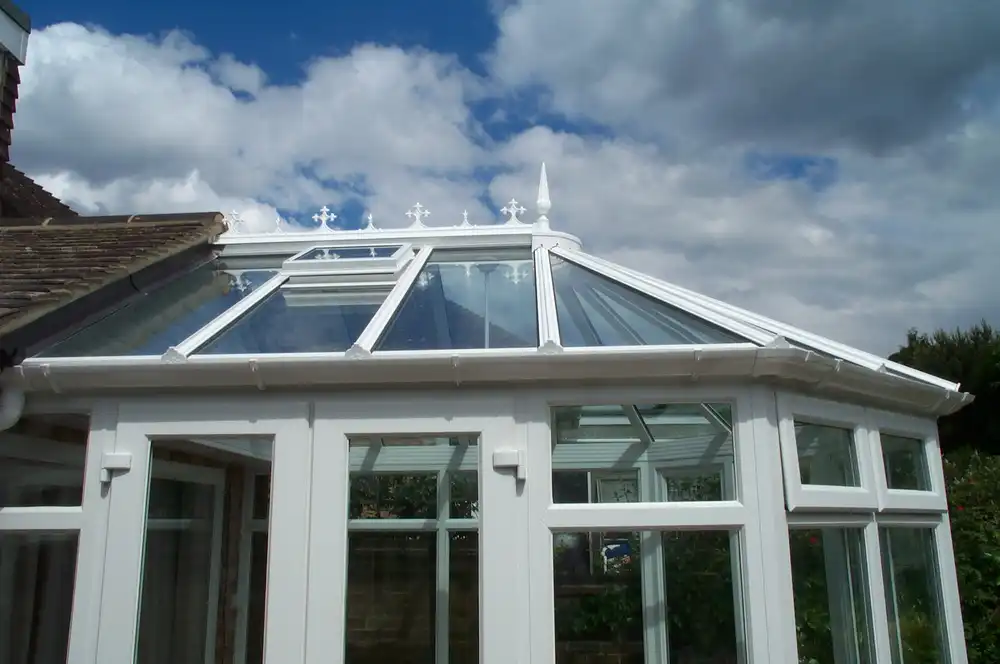
There is no single best conservatory roof for every home. Glass, solid or tiled and hybrid roofs each offer different benefits, so the right choice depends on your budget, existing conservatory and how you want to use the space.
At Advanced Glazing Systems, we’ve spent more than 20 years helping homeowners across Essex and London improve their homes. We’ve seen how different materials can change the comfort and appearance of a conservatory. Some homeowners want a bright room filled with natural light. Others want better insulation and a space they can use throughout the year.
This guide looks at three main types of conservatory roof: glass, solid or tiled and hybrid. We’ll explain the advantages and drawbacks of each, along with indicative costs and the planning and Building Regulations considerations you need to know about.
A quick way to find your roof type
A simple way to narrow down your options is to start with what matters most to you.
Do you want maximum natural light?
→ Glass roof
Do you want better insulation and an extension-like feel?
→ Solid or tiled roof
Would you like a balance of natural light and insulation?
→ Hybrid roof
Your current conservatory, its existing structure and the way you use the room will also affect which option is suitable.
Glass conservatory roofs
A glass roof is a popular choice if natural light is high on your list. Modern glass technology means a glass conservatory roof can offer much more than the basic glazing found on older conservatories.
At Advanced Glazing Systems, our glazed roofs can use high-performance glass, solar-control options and self-cleaning glass. Modern double glazing can also provide strong thermal performance, helping to reduce heat loss compared with older glazing.
Solar-control glazing can be useful where a conservatory gets a lot of direct sunlight. It can help manage solar heat and glare while still allowing plenty of natural light into the room.
Pros
- Plenty of natural light
- Modern double glazing can provide good thermal performance
- Solar-control options can help manage heat and glare
- Self-cleaning glass can make maintenance easier
- Slim frames can create clean lines and distinctive styles
- Works well for homeowners who like the traditional feel of a fully glazed structure
Cons
- A room with a large amount of glazing can still become warm in direct summer sunlight
- It doesn’t create the same enclosed feel as a solid or tiled roof
For homeowners who want a bright room and want to retain the classic feel of a conservatory, glass is often a strong option.
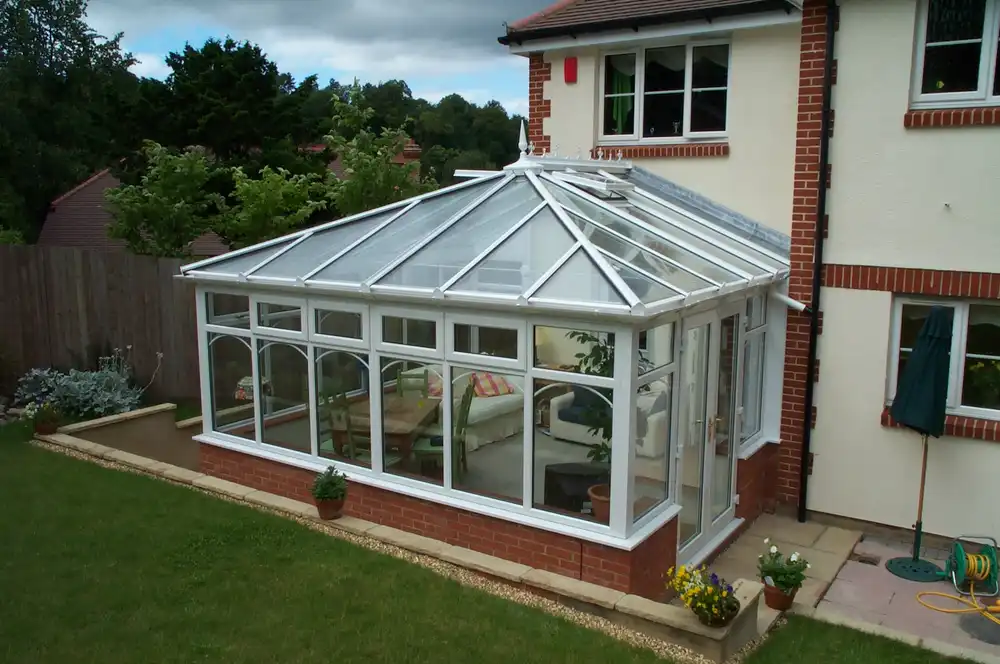
Solid or tiled conservatory roofs
A solid or tiled conservatory roof is worth considering if you want your conservatory to feel more like a conventional living space or house extension.
Modern lightweight systems use insulation and weather-resistant tiles or synthetic slates. At Advanced Glazing Systems, our Equinox tiled roofs are designed to provide an insulated roof structure while giving homeowners a choice of tile styles and interior finishes.
A solid roof also reduces the amount of overhead glazing. This can make the room feel less exposed to direct sunlight and can help create a more consistent environment throughout the year.
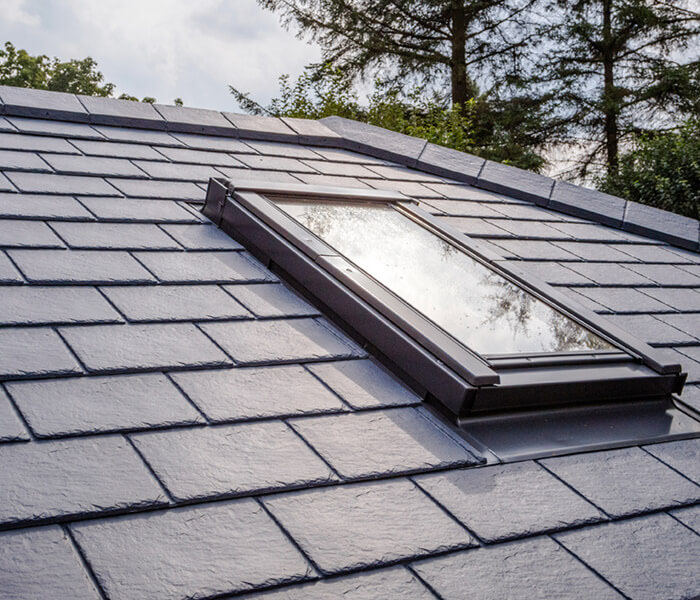
Roof windows or other glazed sections can be incorporated into some designs if you still want natural light from above.
Pros
- Better insulation than many older conservatory roofs
- Can make the room feel more like a conventional living space
- Can help maintain a more comfortable temperature throughout the year
- Quieter than some older lightweight roof systems
- Reduced glare and direct sunlight
- Choice of tile styles and colours
- Roof windows can introduce natural light
Cons
- Less overhead glazing means less natural light than a fully glazed roof
- The existing structure needs to be assessed before installation
- May involve more building work than a straightforward glazing replacement
A solid or tiled roof can be a good option if your priority is creating a comfortable space that feels closer to an extension.
Hybrid conservatory roofs
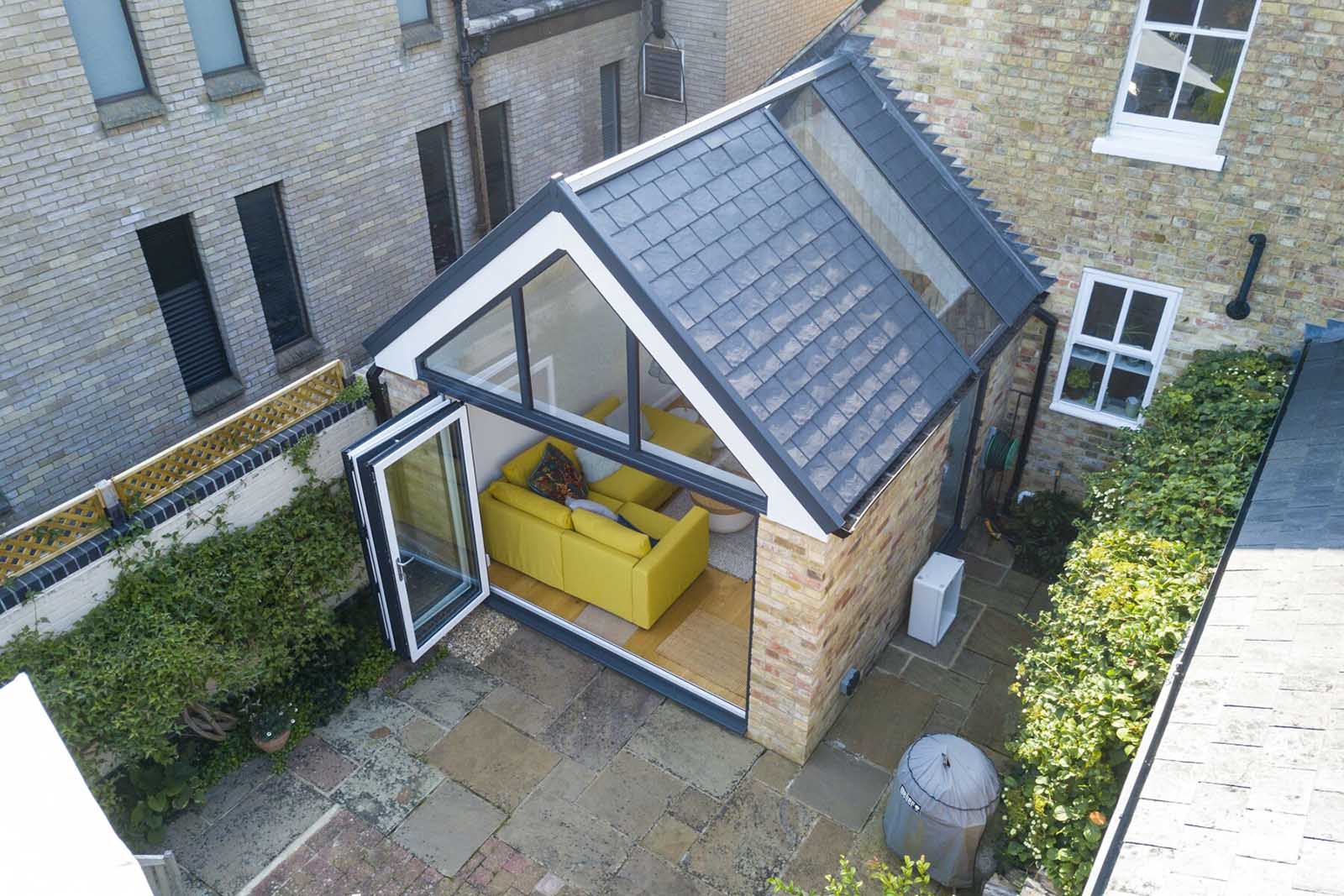
A hybrid roof combines different materials within the same roof design. Typically, this means insulated solid sections alongside glass panels, roof windows or another glazed feature.
The idea is straightforward: retain natural light where you want it while using insulated sections to improve thermal performance.
This can be particularly useful for conservatories with larger or more distinctive layouts, including some P-shaped designs. The exact arrangement will depend on the existing structure and the design of the roof.
Pros
- Balances natural light and insulation
- Can provide better thermal performance than an older fully glazed roof
- Allows glass panels or roof windows to be positioned where they are most useful
- Can create a more individual appearance
- Suitable for homeowners who don’t want to choose between a completely glazed or completely solid roof
Cons
- Can be more expensive than a straightforward glass roof depending on the specification
- The existing structure needs to be checked
- The design and installation can be more involved
A hybrid roof can be a good middle ground if you want better insulation without losing the bright feel of a conservatory.
Planning permission and Building Regulations
Planning permission and Building Regulations are separate considerations, so it’s important to understand the difference.
A replacement conservatory roof does not automatically require planning permission, but the answer depends on the property and proposed work. If you’re unsure, your local planning authority can advise whether planning permission is required.
Building Regulations are a separate matter. A conservatory can benefit from certain exemptions when it meets the relevant conditions, including being separated from the house and meeting requirements around glazing and thermal performance. Changing from a largely translucent roof to a solid roof can affect whether those exemptions still apply.
The existing structure should also be assessed before a new roof is fitted. A solid or tiled system can alter the loads placed on the conservatory, so structural suitability needs to be considered as part of the project.
If you’re considering wider conservatory roof conversions, it’s particularly important to establish what approvals and checks are needed before work begins.
How much does a conservatory roof cost?
The average cost of a new conservatory roof varies considerably. Size, roof design, materials, insulation, glazing and any additional structural work can all affect the final price.
As a broad UK guide, conservatory roof replacements can range from around £6,000 to £18,000 or more, although simpler projects can cost less and larger or more complex installations can cost considerably more.
These figures are indicative only and shouldn’t be treated as a quotation. The best way to establish the cost of your particular roof is to have the existing conservatory assessed and discuss the available options.
For homeowners considering a replacement, our conservatory roof replacement options can give you a better idea of the systems available.
Which roof should you choose?
The best roof for your conservatory comes down to what you want from the room.
Choose glass if: natural light and the classic conservatory feel are your main priorities.
Choose solid or tiled if: better insulation and an extension-like feel matter most.
Choose hybrid if: you want to combine natural light with insulated roof sections.
There’s no need to assume that replacing an existing conservatory roof means choosing the same type again. Modern conservatory roof replacements can give you several options, provided the existing structure is suitable.
Frequently asked questions
Do I need planning permission to replace my conservatory roof?
Not necessarily. Whether planning permission is required depends on the property and the proposed work. Planning permission and Building Regulations are separate matters, so it’s important to check both before work begins.
Can I replace the roof on my existing conservatory?
In many cases, yes. An existing conservatory can often have its roof replaced with a modern glass, solid or hybrid system. The existing structure should be checked first to make sure it is suitable for the proposed new roof.
Which conservatory roof is best for energy efficiency?
A modern solid or tiled roof can provide strong insulation, while a well-specified glass roof can also offer good thermal performance. The overall result depends on the glazing, roof system, frame and existing structure.
Can I have roof windows or a roof lantern?
Depending on the design, roof windows or glazed features can be incorporated into some solid and hybrid roofs. Roof lanterns can also provide a strong source of natural light and are available in different styles and configurations.
Get expert advice on your conservatory roof
Choosing a new conservatory roof isn’t simply about finding the cheapest option. You need to consider the existing structure, thermal performance, natural light, appearance and how you want to use the room.
At Advanced Glazing Systems, we can assess your current conservatory and explain which roofing options could work for your property. From modern glass roofs and replacement systems to insulated tiled and hybrid designs, we’ll help you understand the differences before you make a decision.
If you’re considering a conservatory roof replacement, contact us to discuss your options.