

What is double glazing? Everything you need to know
- 21 July 2026
- News
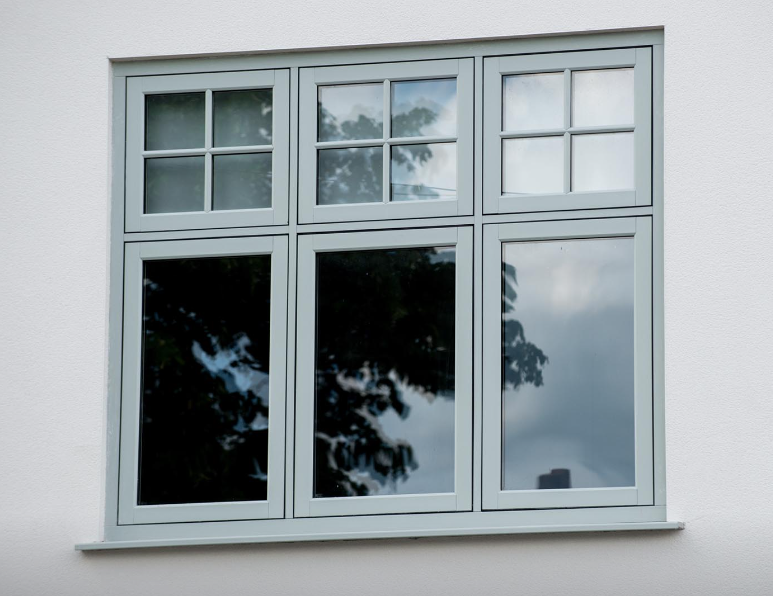
What is double glazing? If you’ve been wondering ahead of a potential replacement, double glazing is a window or door unit consisting of two panes of glass, typically separated by a layer of air or inert gas. There are several benefits of good double glazing, including lower energy bills, less noise, and increased comfort in general.
In this article, we outline everything you need to know about what double glazing is, and how to select the right product for your requirements.
What is double glazing?
Double glazing has been the standard for UK homes since the 1980s, and today it’s the minimum legal requirement for replacement windows under current building regulations (some exceptions do apply, such as on listed buildings).
It’s thought that over 90% of homes in the UK have double glazing installed, largely because its benefits are unanimous; we’ll explore them in more depth later on.
Put simply, double glazing is a window or door made up of two panes of glass separated by a gas-filled cavity, and that gap is what makes all the difference.
Here’s a breakdown of the key components:
- The outer pane of glass: The first barrier against cold air, wind and rain
- The spacer bar: Separates the two panes of glass and maintains a consistent gap. Modern warm edge spacer bars reduce heat loss around the edges of the unit
- The gas-filled cavity: Typically filled with argon gas, a naturally occurring gas that conducts heat far less efficiently than air, slowing down heat transfer between inside and outside
- The inner pane of glass: Stays warmer than a single pane would, reducing that cold surface feeling near the window. It also doesn’t get scorched during heatwaves, so during summers like this one, you won’t be sweltering in bed at night.
- The airtight seal: Keeps moisture and cold air out. If this fails, condensation forms between the panes, which is actually a sign that the unit needs replacing
- The window frame: Available in uPVC or aluminium, the frame holds everything together and plays its own role in overall thermal performance
How is the performance of double glazing measured?
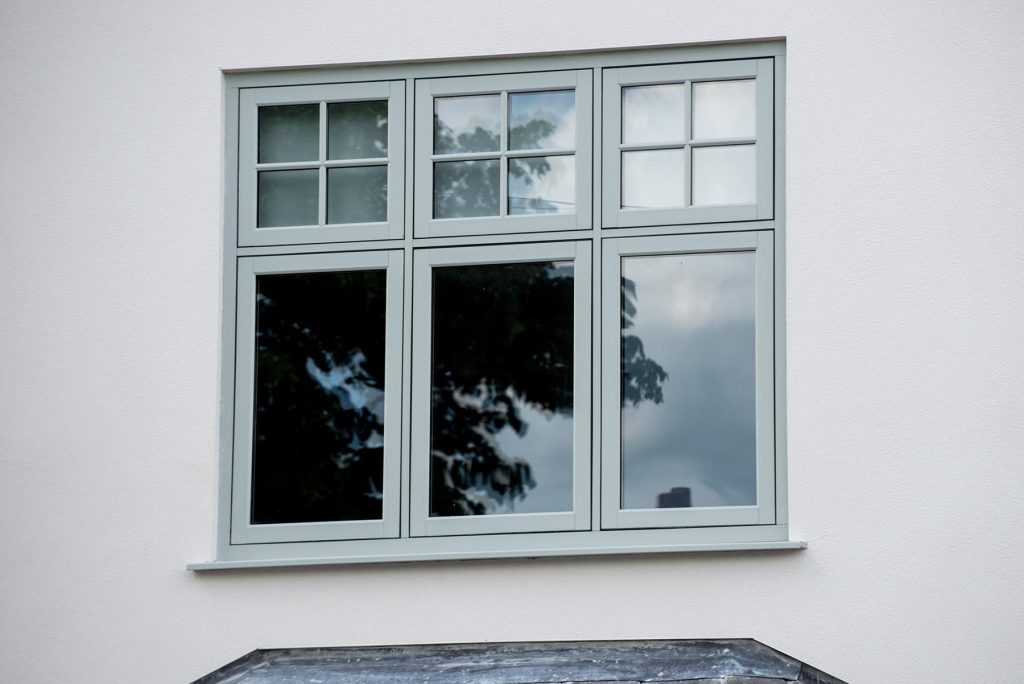
The most important performance indicator of a double glazed window is its thermal performance, essentially how well it reduces the transfer of heat, be it the cold or the warmth, from inside to out and vice versa.
This is measured using U-values:
- U stands for the rate of heat transfer through a material
- Measured in W/m²K, which we know looks confusing, so all you need to know is that the lower the number, the better the insulation
- Current building regulations require replacement windows to achieve a U-value of no more than 1.5 W/m²K
- High-performance double glazing can reach as low as 1.2 W/m²K
- Triple glazing pushes performance even further
In practice, a window with a poor U-value lets the warmth from your central heating escape outside in the winter, and does nothing to prevent the humidity of a heatwave entering your space either. A high-performance double glazed window keeps warm air in, reduces pressure on your boiler and brings your energy bills down over time.
What are the benefits of double glazing?
Good quality double glazing does a lot more than just replace an old window. Here’s what it means for your home.
Improved thermal insulation
The argon gas cavity between the two glass panes dramatically slows heat transfer, keeping warmth inside your home. It’s regularly reported by the Energy Saving Trust that upgrading single glazed windows to A-rated double glazing can save you more than £85 on energy bills per year!
During the colder months, rooms maintain a more consistent room temperature and that draught-like chill near old windows disappears.
Lower energy bills and carbon footprint
With less heat escaping, your boiler doesn’t need to work as hard. That means lower energy consumption, reduced heating bills and a smaller carbon footprint, which is great for both the environment and your wallet.
Noise reduction
Double glazing makes a real difference if you live near a busy road or in a noisy area. Sound waves have to pass through two layers of glass and a gas-filled cavity, which absorbs much of their energy before they reach you. For homes with significant noise pollution, we also offer acoustic glass with up to 31dB of noise reduction.
Better security
All our double glazed windows are manufactured to meet PAS 24:2022, the UK’s leading security standard, with multi-point locking systems built in as standard.
Increased property value
New double glazed windows are consistently linked to increased property value. Buyers notice quality glazing, and old, draughty windows are often a red flag during viewings.
UV protection
Double glazing can incorporate solar control glass, which filters out UV rays that fade furniture and flooring. It also helps manage solar gain, reducing how much a room overheats in summer.
Double vs single glazing: how do they compare?
For a full breakdown, visit our double vs single glazing guide.
| Feature | Single glazing | Double glazing |
| Layers of glass | One pane | Two panes with gas-filled cavity |
| Typical U-value | ~5.0 W/m²K | As low as 1.2 W/m²K |
| Thermal insulation | Poor | Significantly improved |
| Noise reduction | Minimal | Greatly reduced external noise |
| Condensation | Common on cold glass surface | Greatly reduced |
| Estimated energy savings | Baseline | Upwards of £85/year (Energy Saving Trust) |
| Building regulations | Does not comply | Exceeds current requirements |
| Security | Limited | PAS 24 compliant |
| Lifespan | 15-20 years | 20-35 years |
Quality double glazing: what are my options?
Whether you’re looking to make your home’s façade as traditional as possible, or want something a little more modern, we have an option to suit you.
Here’s an overview of what we offer:
Double glazed window styles
Casement windows
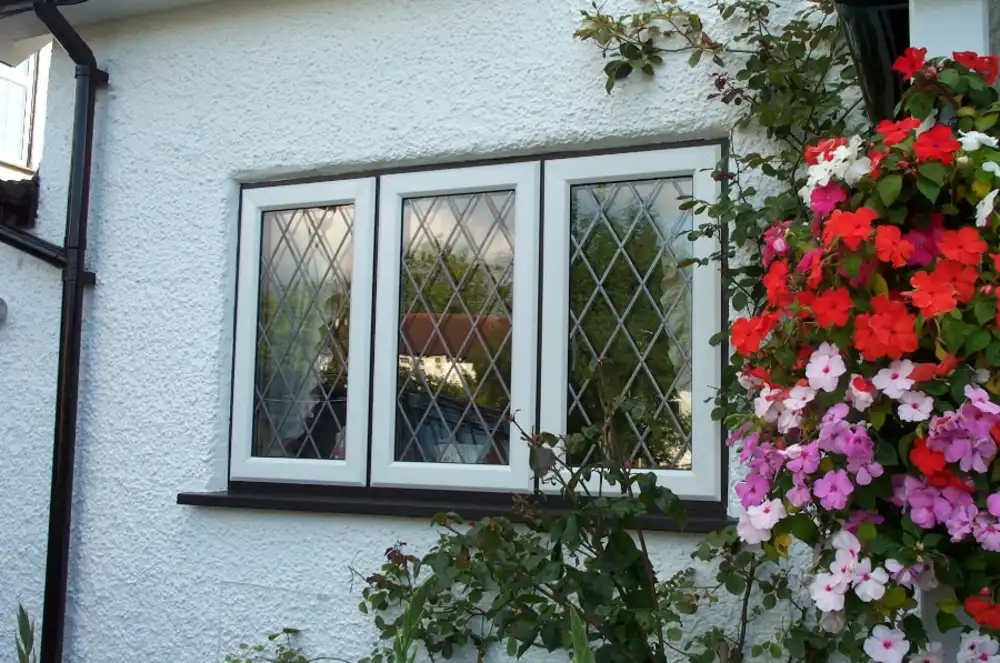
The most popular window style in the UK. Casements are renowned for simplicity; you open them with a handle either inwards or outwards, and they suit pretty much any property type.
Flush casement windows
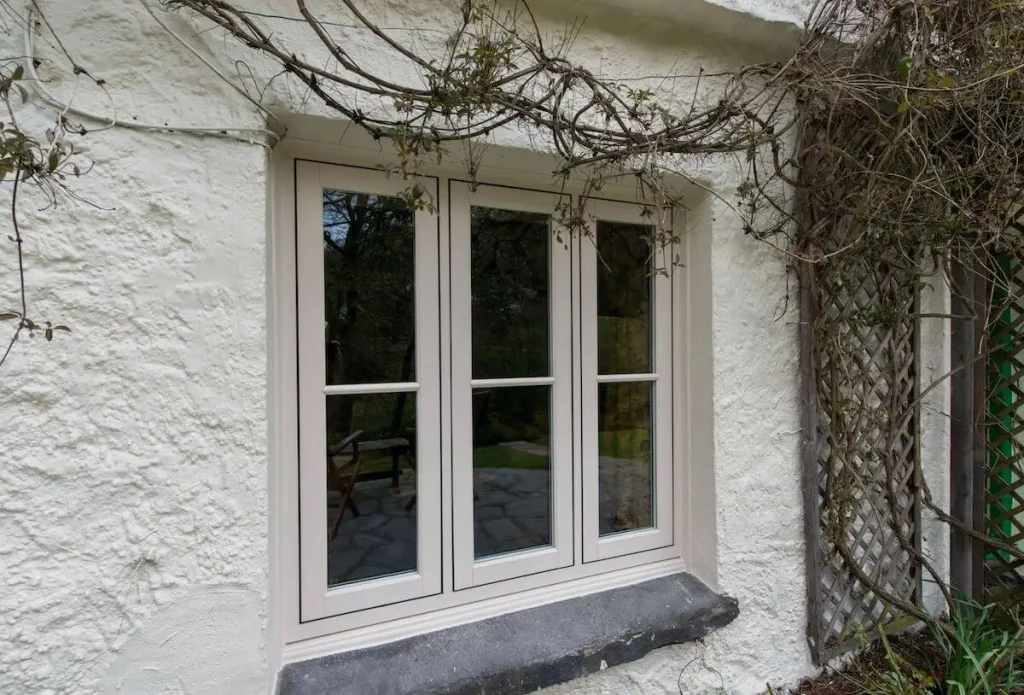
The sash (the part of the window that opens) sits completely flush (level) with the outer frame for a smooth, clean finish. Enjoyed a real revival in the past decade.
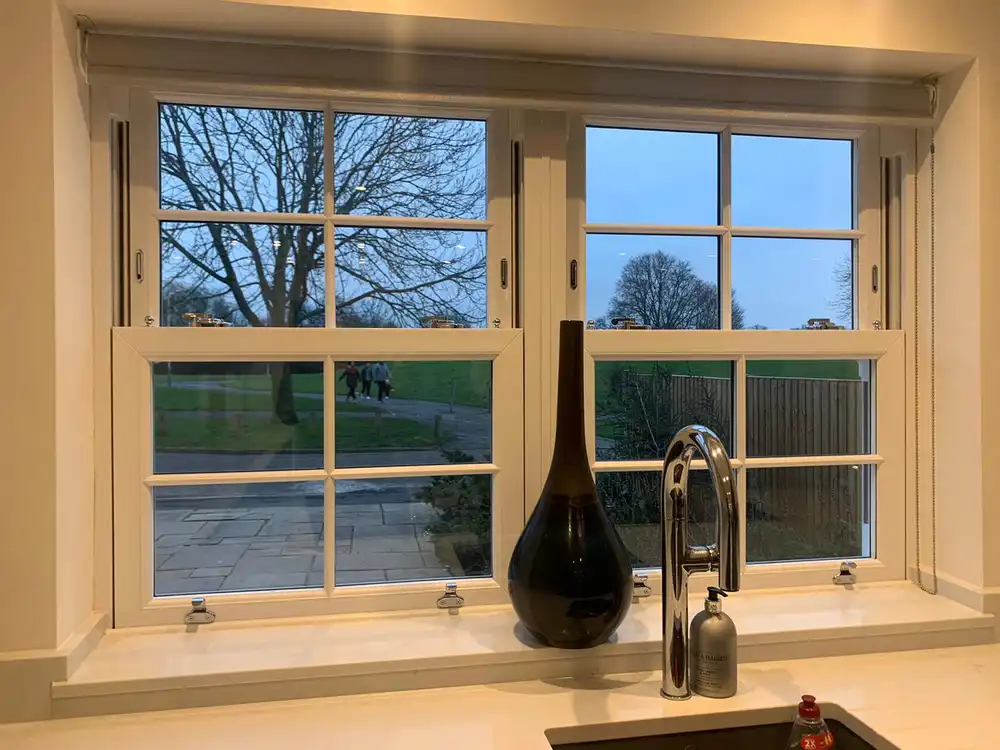
Sliding sash windows
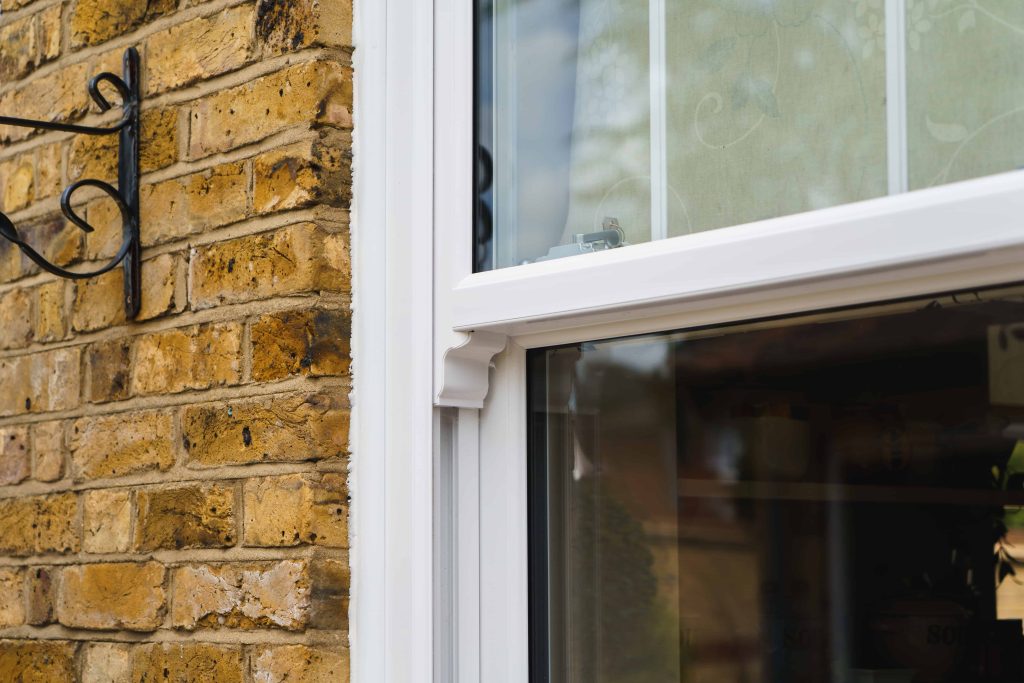
Move vertically, they’ve been around for centuries. A go-to choice for period homes and conservation areas, with authentic detailing available including run-through horns and deep bottom rails.
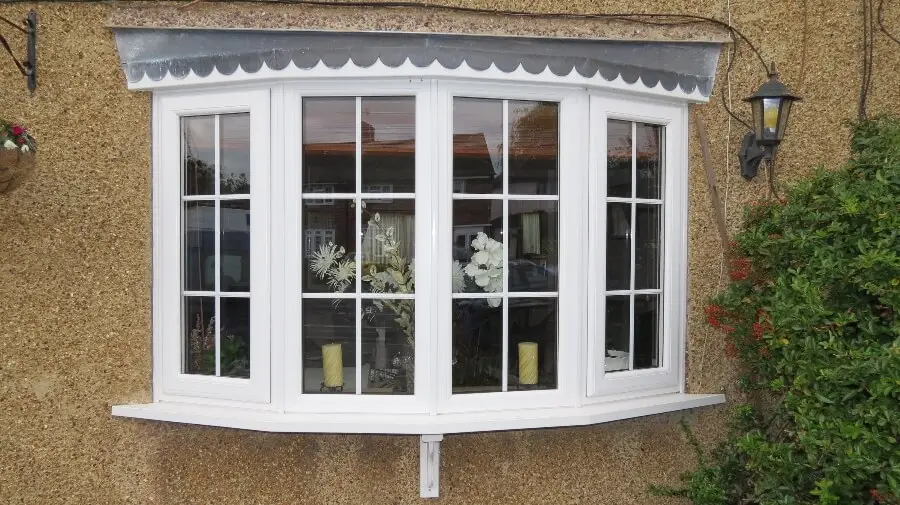
Bay & bow windows
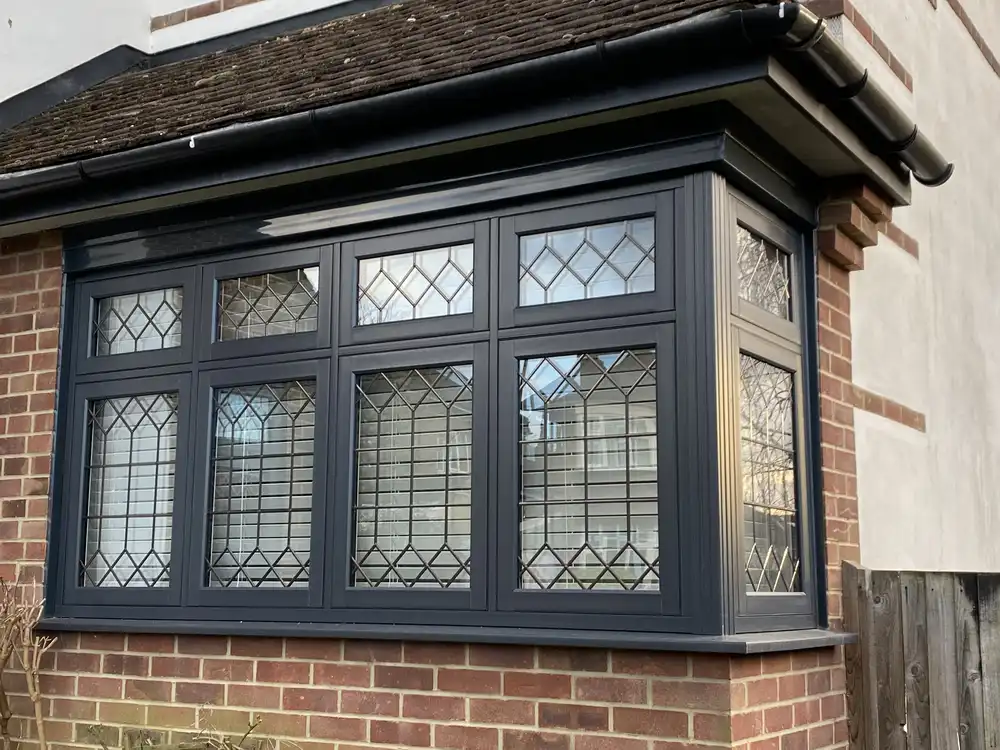
Project outwards from the wall for wider views, more natural light and a sense of extra space. A classic feature on Victorian and Edwardian homes, available in uPVC and aluminium.
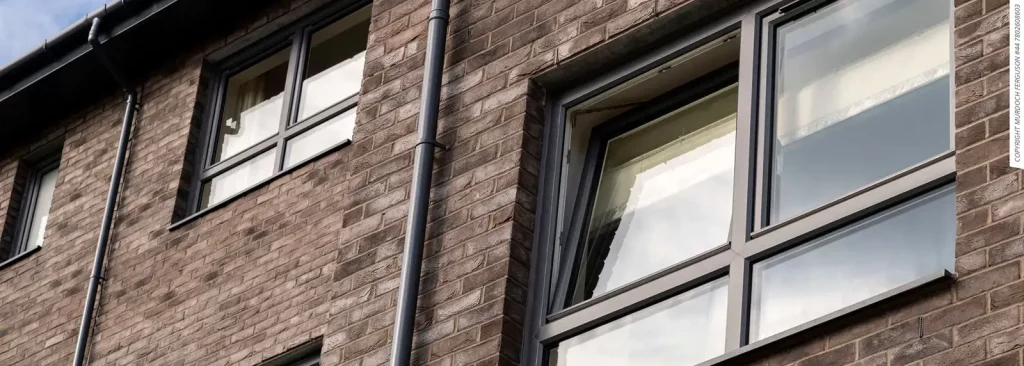
Tilt and turn windows
Operate in two ways, tilting inwards for secure background ventilation or turning fully inwards for easy cleaning. A smart, practical choice for upper-floor rooms.
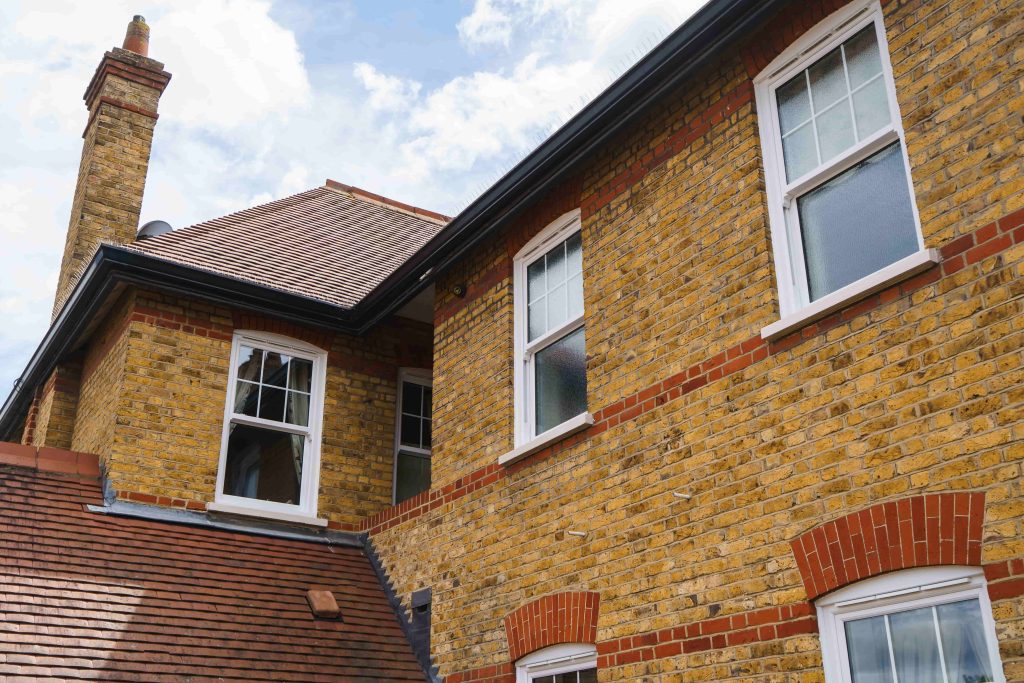
Heritage window styles
For conservation areas and period properties, we offer heritage-style windows using the Residence Collection and slimline aluminium profiles. Designed to replicate traditional timber windows while meeting modern thermal and security standards.
Double glazed window materials
Aluminium
Aluminium hasn’t always been associated with competitive thermal performance, but all that has changed in the past few years. Modern aluminium windows compete with pretty much any material because they use thermally broken frames, meaning there’s a layer that stops the transfer of heat.
As well as brilliant thermal performance, aluminium frames are really strong, which enables them to be slimmer than most. As a result, there’s more glass and a higher amount of natural light. They’re also very easy to clean.
uPVC
The most widely used window material in the UK. Our uPVC windows use multi-chambered profiles, delivering A-rated energy efficiency as standard. Available in a wide range of colours and finishes, including realistic woodgrain finishes, uPVC won’t have its appearance or performance compromised by the weather in the way that timber might.
How to maintain double glazed windows
Modern double glazed windows are very low maintenance. Here’s how to keep them in good shape:
- Clean the glass with a soft cloth and mild glass cleaner
- Wipe down uPVC frames with warm soapy water twice a year
- Clear drainage channels and weep holes to prevent water build-up
- Lubricate hinges and locks annually with a light oil or window lubricant
- Check the seals, condensation between the panes means the sealed unit may need replacing
- Remove debris from corners and tracks, especially in autumn
Frequently asked questions
What is the difference between double and triple glazing?
Double glazing uses two panes of glass with one gas-filled cavity. Triple glazing adds a third pane and a second cavity. It’s worth double checking the thermal performance, as some installers just use slimmer frames, which can actually be easier for heat to pass through. At AGS, we ensure that the triple glazing we install is a genuine thermal upgrade.
Does double glazing really reduce noise?
Yes. The two glass panes and gas-filled cavity interrupt sound waves, reducing external noise noticeably. Acoustic glass can push noise reduction up to 31dB.
Do I need planning permission to replace my windows?
Most replacements fall under permitted development and don’t require planning permission. Listed buildings and conservation areas are exceptions, we can advise during your survey.
How much does double glazing cost?
It depends on the window style and material you choose. Because all our windows are made to measure, we can work with most budgets. As a guide, casement windows typically start at around £600 for supply and installation, rising to £1,000 or more for sliding sash and bay & bow options.
How long do double glazed windows last?
With proper maintenance, a quality double glazed window should last 20 to 35 years.
What is secondary glazing?
Secondary glazing adds a glass panel inside an existing single-glazed window rather than replacing it. It can be a useful option for listed buildings where full replacement isn’t permitted, but it doesn’t match the performance of true double glazing.
Double glazing from Advanced Glazing Systems
We supply and install a full range of double glazed windows across Essex and London, from flush casement windows in woodgrain finishes to modern aluminium styles. Every window we install includes:
- A-rated energy efficient double glazing as standard
- Argon gas-filled sealed units with warm edge spacer bar technology
- A wide choice of frame colours, including white, anthracite grey, woodgrain finishes and any RAL colour in aluminium
- Solar control and acoustic glass options
- PAS 24:2022 security across our range
We also offer triple glazing and integral blind systems for bifold doors and large glazed areas.
Why trust Advanced Glazing Systems?
We’ve been installing windows across Essex and London since 2004, over 20 years as a family-run business. We really feel that choosing a local, independent, family-run company as opposed to a nationwide chain is beneficial because you get a personal service, deal with people who know the area, and understand products that regularly get approved in our conservation areas.
Here’s what you get when you choose us:
- Fully accredited: FENSA, Which? Trusted Trader, & more
- Consistently excellent reviews on Google, Checkatrade, Trustatrader and Which? Trusted Traders
- 10-year guarantee on parts and labour, 5 years on sealed units, plus a GGFi insurance-backed guarantee
- Transparent pricing, you get honest quotes with no inflated prices or high-pressure tactics
- Made-to-measure windows manufactured to your exact specification
Ready to get started? Call us on 01277 230101, email sales@advancedglazingsystems.co.uk or request a free no-obligation quote today. We’d love to help.