

The most energy efficient windows in the UK: A complete guide
- 10 July 2026
- News
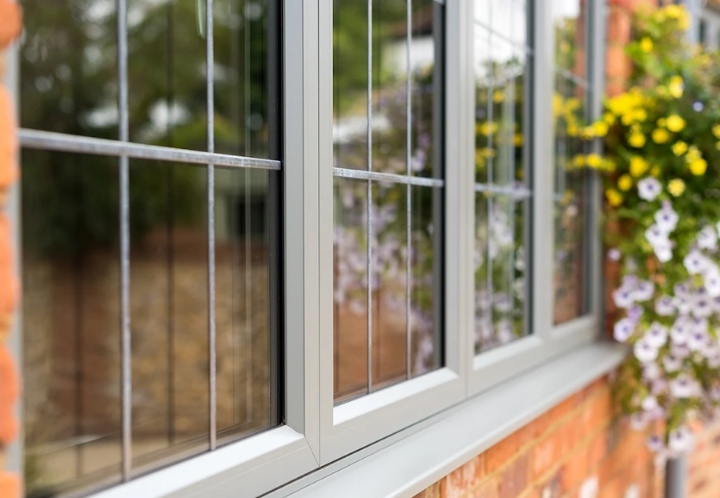
With energy bills rising this July, the demand for energy efficient windows has never been higher.
That’s because they play a vital role in keeping bills down, simply by reducing heat transfer. This is beneficial in the winter, as your home will lose less heat through the panes and glazing, but also in the summer. That’s because during heatwaves, like the several we’ve experienced this year, windows with good U-values and energy ratings will block unwanted warmth from entering into your property, giving you a space that’s not only cheap to run, but naturally comfortable.
But what do metrics like U-values actually mean, and how can you choose windows that keep your home comfortable, and energy bills affordable each month?
We explain the key things to look out for in this blog, as well as whether uPVC or aluminium frames may be right for you.
Most energy efficient windows UK: What does it all mean?
Several terms get bandied around when you start researching energy efficient windows. Here’s what each one actually means.
U-values explained
A U-value measures how much heat passes through a window. The lower the number, the better the insulation. W/m²K stands for watts per square metre Kelvin, but this will hopefully simplify it:
- 0.8 W/m²K or lower: Outstanding thermal performance
- 1.0-1.2 W/m²K: Excellent energy efficiency
- 1.4 W/m²K: The minimum required by current UK Building Regulations
Old single glazing typically sits around 5.0 W/m²K. Even standard double glazing from 20 years ago is around 2.8 W/m²K. Modern replacement windows are dramatically better.
Window Energy Ratings (WER)
Managed by the British Fenestration Rating Council (BFRC), a Window Energy Rating considers three things:
- Heat escaping through the window (U-value)
- Solar gain
- Air leakage around the frame
Windows are rated A++ down to E, much like a household appliance. Because WER accounts for solar gain as well as heat loss, two windows with identical U-values can have different energy ratings.
A-rated windows
An A-rated window has been independently tested to confirm excellent thermal performance. In practice, that means lower energy costs, fewer cold spots, less risk of condensation and a more comfortable home year-round. Many of the window systems we install can achieve A or A+ ratings when specified with the right glazing package.
Energy efficiency: Why does it matter?
Lower bills
When we speak to homeowners about the importance of windows in their homes general thermal performance, we often reference the Energy Saving Trust, who report that around 18% of a home’s uninsulated heat is lost through windows. Modern A-rated windows reduce that significantly, meaning your boiler works less hard and you have lower energy bills.
Year-round comfort
Good thermal performance keeps you warmer in winter and cooler during summer heatwaves. Your home will remain at pretty stable, consistent temperatures regardless of what the weather is doing outside, great for when you get home after a cold walk back from work, or a warm run.
Sustainability
Less energy consumption means a smaller carbon footprint. So having thermally efficient windows is not only good for your wallet, but also for the planet, which is incredibly important.
Increased home value
A strong EPC rating makes a home more attractive to buyers. New windows contribute positively to that score, making them a worthwhile long-term investment if you feel you’ll likely sell one day.
What energy efficient windows are available to me?
Both uPVC and aluminium windows can deliver excellent thermal performance. The key is understanding which suits your home and priorities.
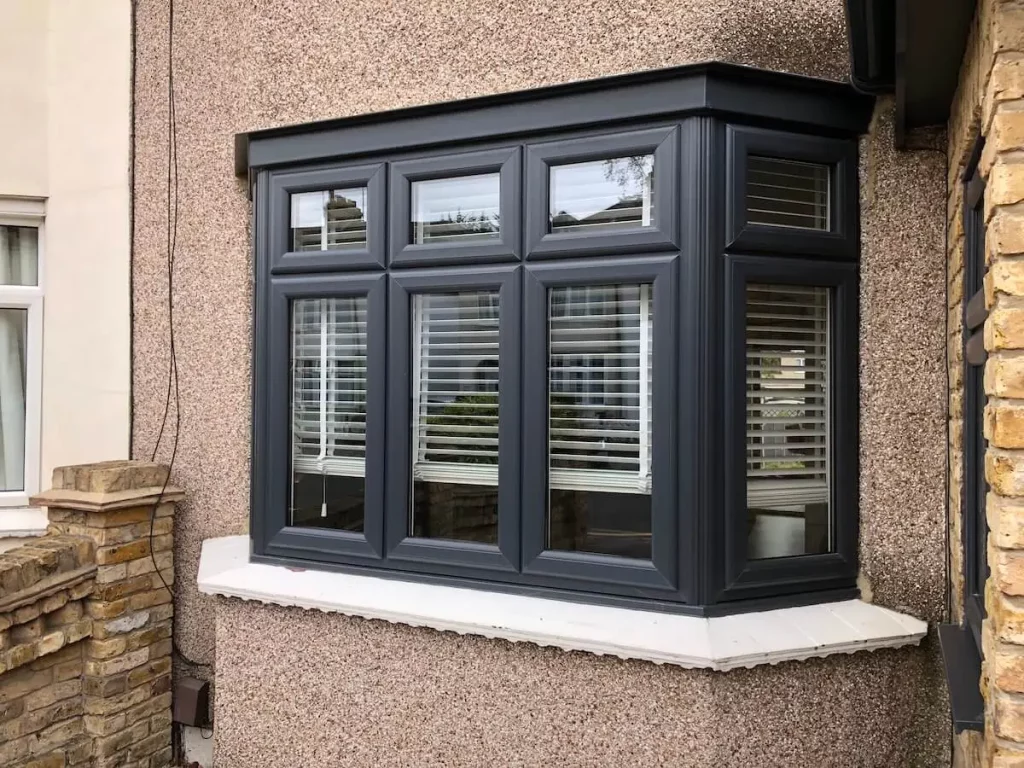
uPVC windows
Modern uPVC profiles feature multi-chambered frames that trap air and act as insulation. They’re most popular window material in the United Kingdom, and their elite thermal performance is a large reason as to why. Combined with Argon gas-filled sealed units, Low-E glass and warm edge spacer bars, they can achieve U-values as low as 0.78 W/m²K and ratings up to A++.
Choose uPVC if you want:
- The best possible U-values at a competitive price
- Low maintenance, so no weekends spent painting, or any need to worry about frames changing shape
- A wide colour range including woodgrain foils
- Excellent thermal performance across traditional and modern homes
Aluminium windows
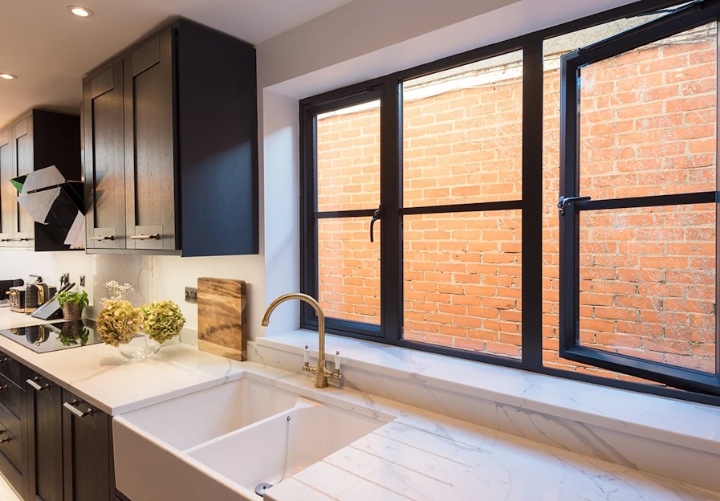
Modern thermally broken aluminium is a completely different product from the cold, draughty steel frames of older buildings. A thermal break, an insulating barrier built into the material, prevents cold conducting through the frame. The result is slim, elegant sightlines with U-values from around 1.3 W/m²K and over 200 RAL colour options.
Choose aluminium if you want:
- A clean, architectural look with slimmer frames and more glass (best for natural light intake)
- Exceptional durability
- A contemporary feel for modern extensions or open-plan spaces
- Heritage styling through our Smart Alitherm range
uPVC vs aluminium: U-values compared
| System | Frame material | U-value (typical) | Energy rating |
| Aluplast uPVC | uPVC | From 0.78 W/m²K | A+ |
| Kommerling uPVC | uPVC | From 1.2 W/m²K | A+ |
| Residence Collection (R7/R9) | uPVC (timber effect) | From 0.8-1.2 W/m²K | A++ |
| Spectus vertical sliding sash | uPVC | Around 1.4 W/m²K | A |
| Smart Alitherm aluminium | Aluminium | From 1.3-1.4 W/m²K | Up to A |
Figures are whole-window values and may vary depending on size, specification and configuration.
Energy efficient windows: AGS recommends
Here’s our honest steer on what to consider, based on over 20 years of experience fitting windows across Essex and London.
Window materials
uPVC
For the best thermal performance at a competitive price, our Aluplast and Kommerling ranges are hard to beat. Aluplast’s six-chamber design and triple glazing capability make it ideal for low-energy homes.
Aluminium
For contemporary homes where aesthetics matter as much as performance, our Smart Alitherm aluminium system delivers thermally broken profiles, PAS 24 security and over 200 RAL colour options.
Window styles
Casement windows
The UK’s most popular window style. This is largely due to how simple they are, you likely have them in your home somewhere already and they can be opened or closed using a handle. The compression seal when closed creates an excellent draught-free barrier, which is great for thermal performance and a very reliable everyday window.
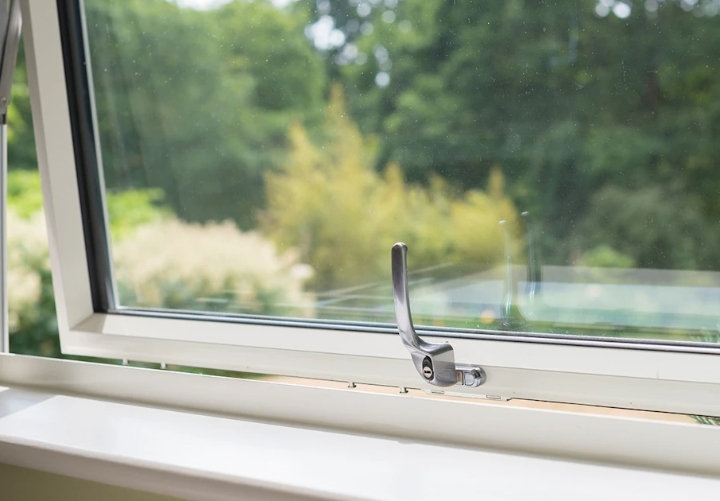
Flush casement windows
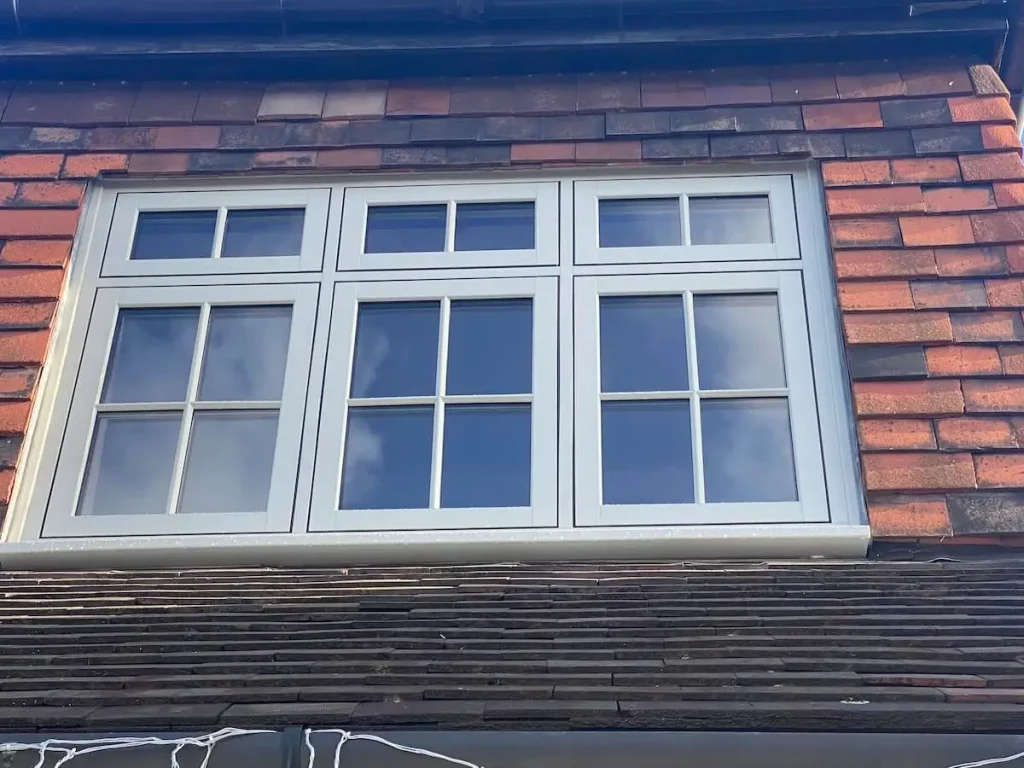
The sash (glass) sits completely flush (level) within the outer frame, giving a clean, timber-like appearance that works beautifully on heritage and period homes. The tight flush fit also contributes to strong energy ratings.
Sliding sash windows
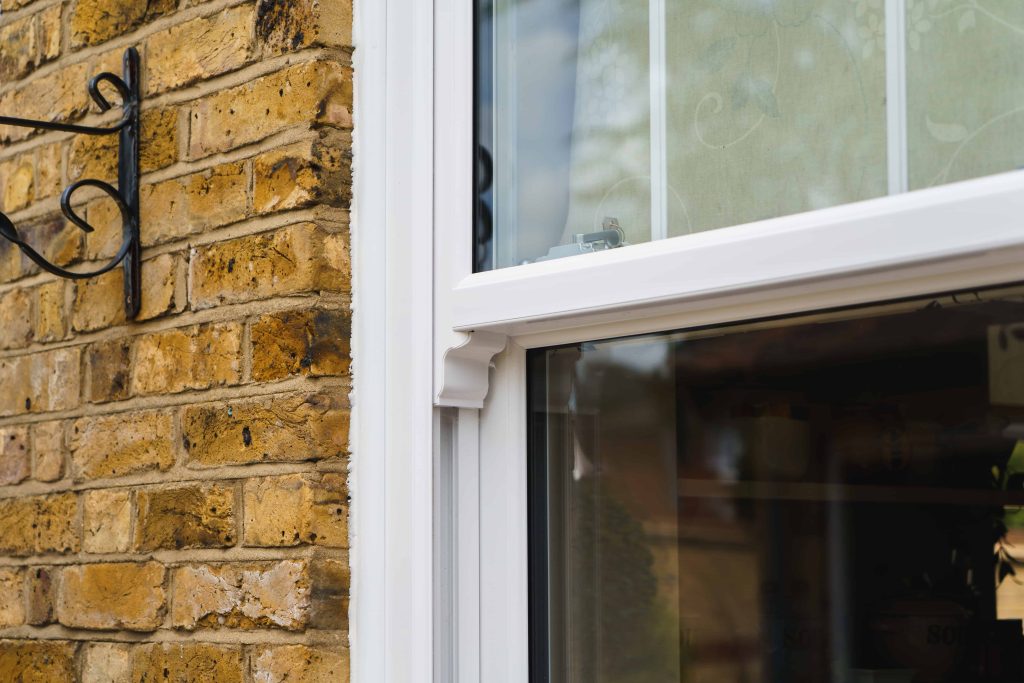
Two sashes that slide vertically, the signature feature of Victorian, Edwardian and Georgian homes. Our Spectus sliding sash achieves an A-rated energy rating, a significant improvement over the draughty originals, while replicating traditional details like run-through horns and Georgian bars.
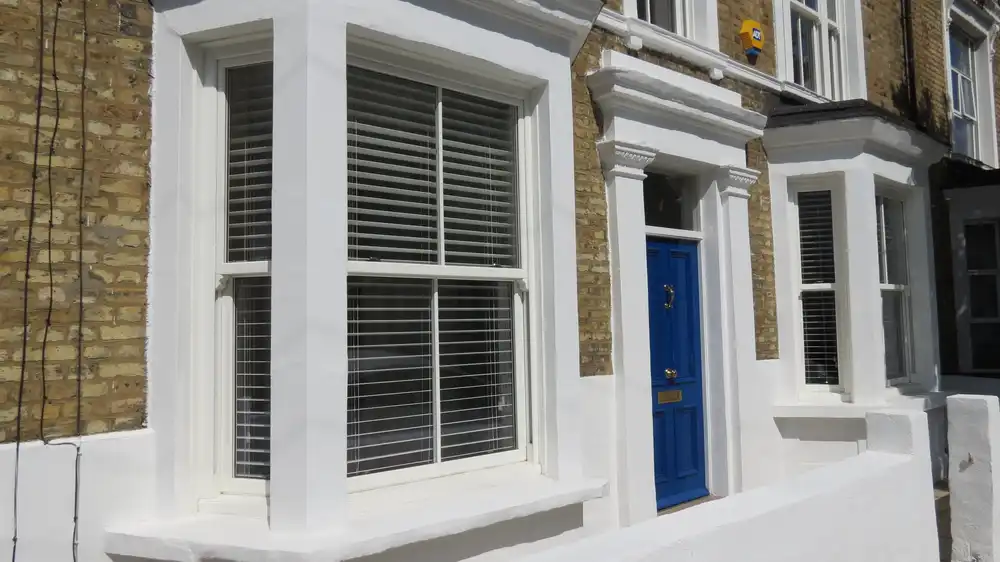
Bay and bow windows
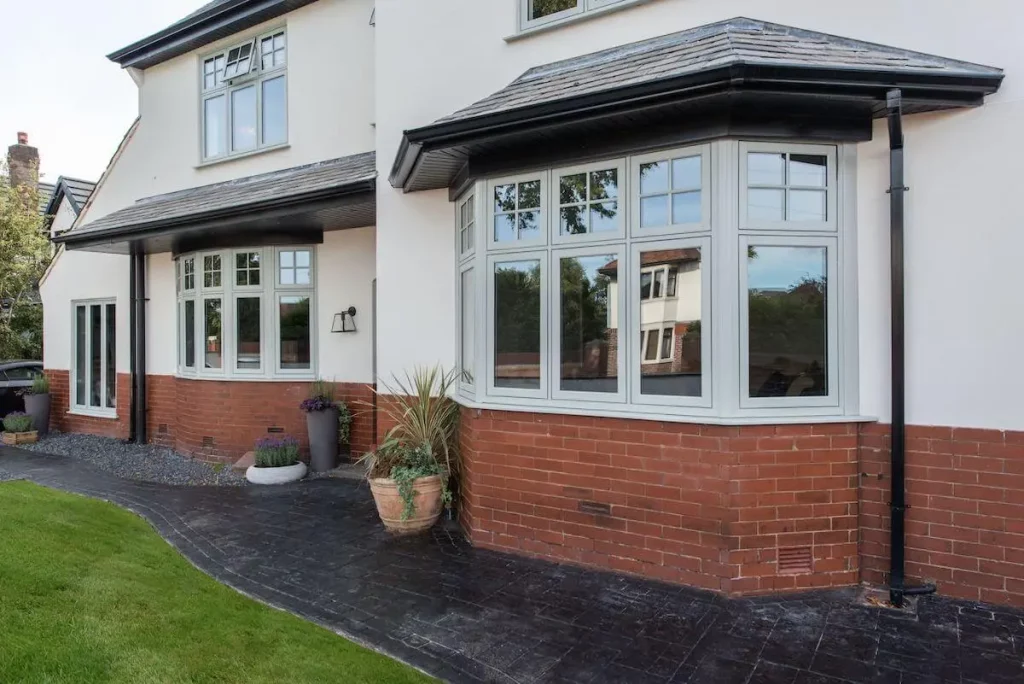
Projecting outward to create extra space, light and kerb appeal. Getting the thermal specification right across a full bay is something we’re very experienced with, available in both uPVC and aluminium.
Tilt and turn windows
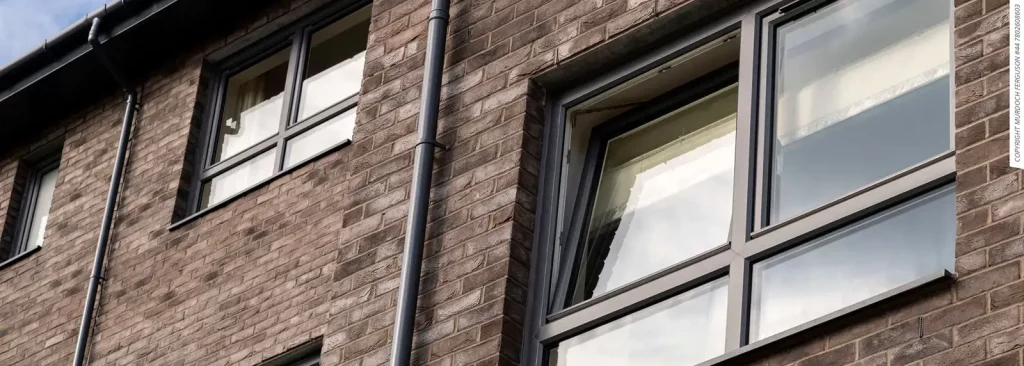
Opens by tilting inward at the top for ventilation, or swinging fully inward for easy cleaning. An excellent seal when fully closed makes tilt and turn one of the stronger performing styles thermally. Ideal for apartments and contemporary homes.
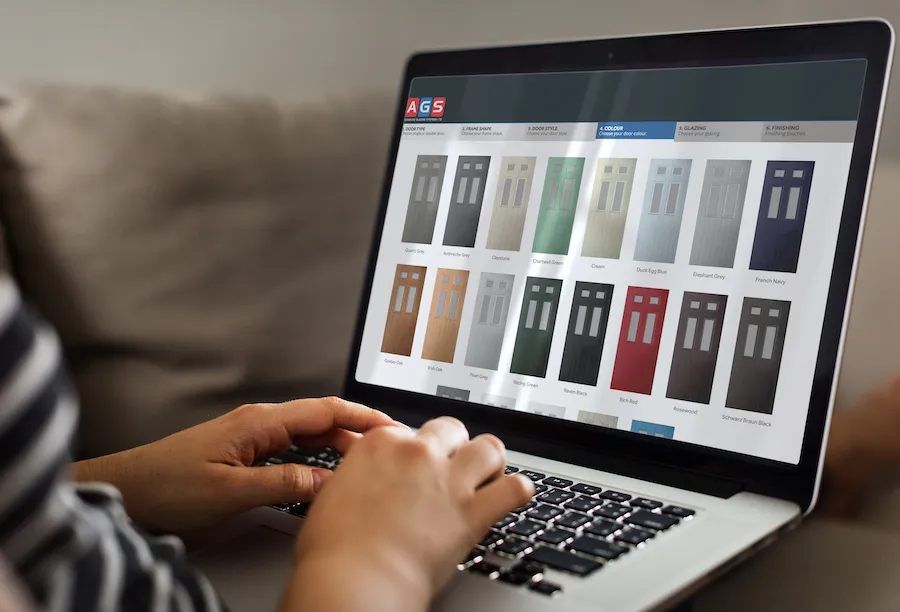
All our made to measure uPVC windows come in a wide range of colours including Anthracite Grey, Chartwell Green, Irish Oak and more, with dual-colour options available. Aluminium windows come in over 200 RAL colours. Both double and triple glazing are available, with Argon gas-filled sealed units and warm edge spacer technology as standard.
Why trust Advanced Glazing Systems?
We’ve been fitting windows, doors and glazing across Essex and London since 2004, and we’re a family business run by the Barnetts. We’re not a national chain; we’re a local team that takes real pride in what we do. We believe this is beneficial to you, as we have real knowledge of our patch’s conservation requirements, something nationals don’t typically have.
You’re also promised a service where you speak to real tradespeople to get your project off the ground.
We work with trusted manufacturers including Kommerling, Aluplast, Smart Systems and the Residence Collection. Every installation is backed by a 10-year guarantee on parts and labour, plus a GGFi insurance-backed guarantee for added peace of mind.
We’re members of FENSA, the Glass & Glazing Federation, TrustMark, Secured by Design and the Trading Standards Institute, and we’re a recognised Which? Trusted Trader. We’re really proud of our strong Google reviews, we’re rated 4.9 stars of average from almost 100 clients. Thank you to everyone who has taken the time to kindly rate us.
As well as energy efficient windows, we install composite and aluminium doors, bifold and sliding patio doors, conservatories, orangeries, roof lanterns and so much more, so if you’re thinking about a wider project, we can help with that too.
Ready to find the right windows for your home?
Call us on 01277 230101, email sales@advancedglazingsystems.co.uk or visit our website to request a free, no-obligation quote. We’re always happy to talk through your options, there’s absolutely no pressure to proceed.
FAQs
What is the most energy efficient window type in the UK?
Triple glazed uPVC windows with a multi-chamber profile, Argon gas filling and Low-E glass currently offer the best U-values. Our Aluplast system achieves U-values from 0.78 W/m²K and an A+ energy rating.
Do energy efficient windows actually reduce heating bills?
Yes. Upgrading from old single glazing or ageing double glazing to modern A-rated windows reduces heat loss significantly, meaning your heating system doesn’t need to work as hard.
What U-value do I need to meet Building Regulations?
Replacement windows in England must achieve a whole-window U-value of 1.4 W/m²K or better. Most of the windows we install perform well above this minimum.
Is triple glazing worth it in the UK?
For most homes, high-performance double glazing delivers excellent energy savings. Triple glazing is worth considering if you’re building new, targeting a very low-energy home, or want improved noise reduction alongside better insulation.