



Door and window maintenance: How to keep them in top condition
- 14 September 2026
- News
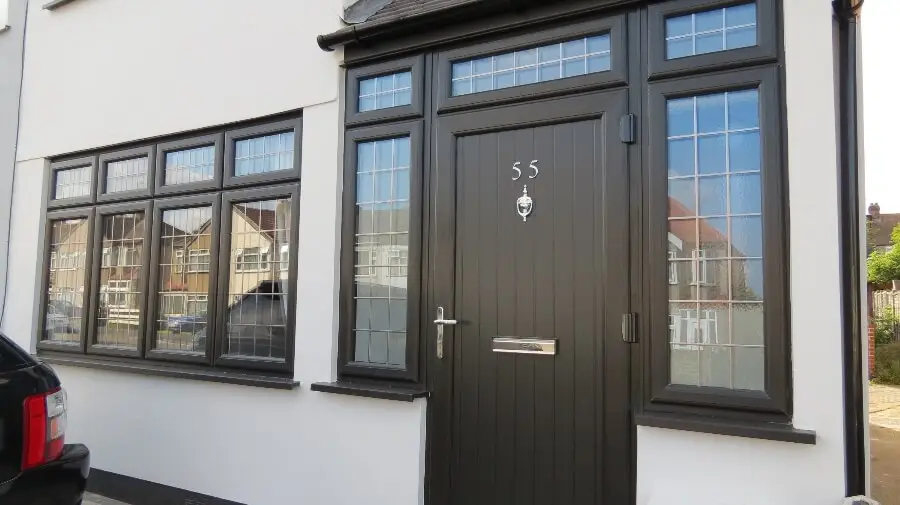
Regular door and window maintenance helps keep them in good condition, supporting their performance, security and appearance over time.
Your windows and doors work hard every day, keeping your home warm, secure and protected from the weather. Over time, seals can wear, drainage can become blocked and moving parts can become stiff.
The good news is that much of the basic maintenance is simple to do yourself. In this guide, we’ll look at the key areas to check, from frames and seals to moving parts and drainage, and explain when it’s time to call in a professional.
Why door and window maintenance matters
Windows and doors play an important role in keeping your home comfortable, secure and energy efficient. Small problems can become more noticeable over time, particularly if seals deteriorate, drainage becomes blocked or moving parts start to wear.
Regular maintenance can help you spot:
- Draughts that could increase heat loss and energy bills
- Water infiltration around frames and sills
- Damaged or deteriorating seals
- Problems with hinges, handles or locking mechanisms
- Blocked drainage channels
- Visible damage to frames or glass
- Operational difficulties when opening and closing windows and doors
Draught-proofing can help reduce unwanted cold air entering your home and lower the amount of energy needed for heating. However, good ventilation remains important for indoor air quality, so existing vents should never be blocked as part of routine maintenance.
A few simple checks throughout the year can therefore help protect your home’s comfort and energy efficiency while giving you an early warning when professional attention is needed.
Caring for uPVC window and door frames
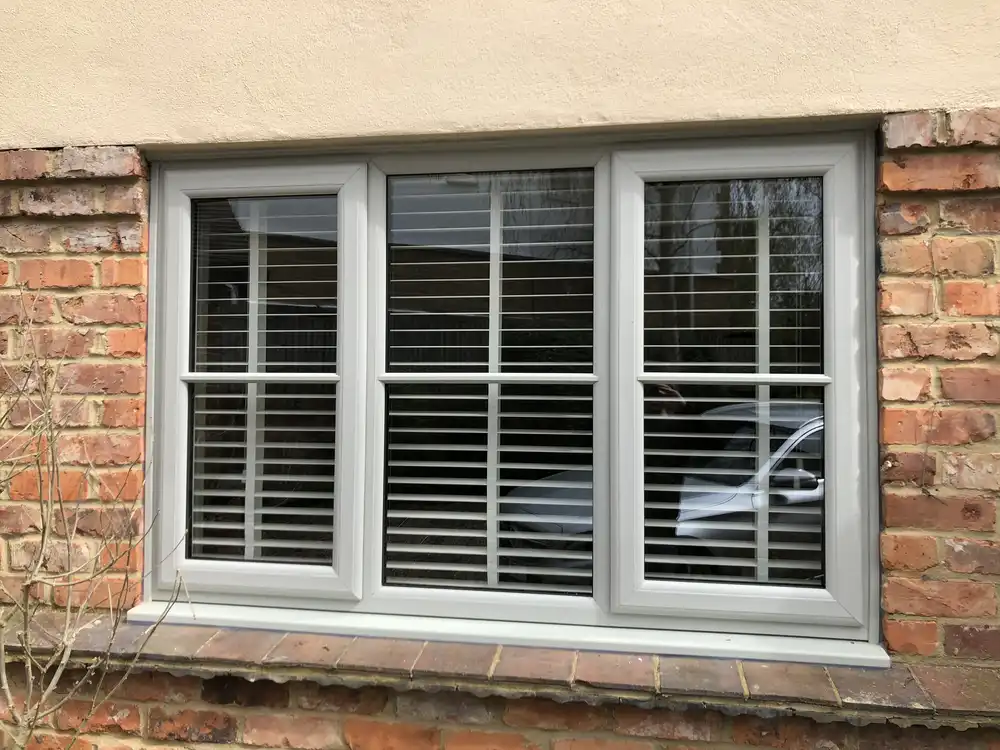
uPVC is a low-maintenance frame material, but that does not mean it can be completely forgotten. Dirt and debris can build up around frames and moving parts, while damage or worn components should be dealt with before they cause further problems.
We offer uPVC windows and uPVC doors as part of our range for homes across Essex and London.
uPVC maintenance checklist
- Clean the frame with warm water and a mild detergent
- Avoid abrasive cleaners or solvents that could damage the finish
- Check for cracks, chips or other visible frame damage
- Look around the edges of the window for damaged seals
- Check that handles and locks operate smoothly
- Look for condensation or moisture between panes of glass
What you can do yourself: Cleaning the frames and carrying out a visual inspection are straightforward jobs that can be done as part of your normal household cleaning routine.
When to call a professional: If you notice cracked frames, failed glazing, persistent condensation between panes or difficulty opening and closing the window, it is better to get a professional opinion rather than trying to force or repair the component yourself.
Caring for aluminium frames
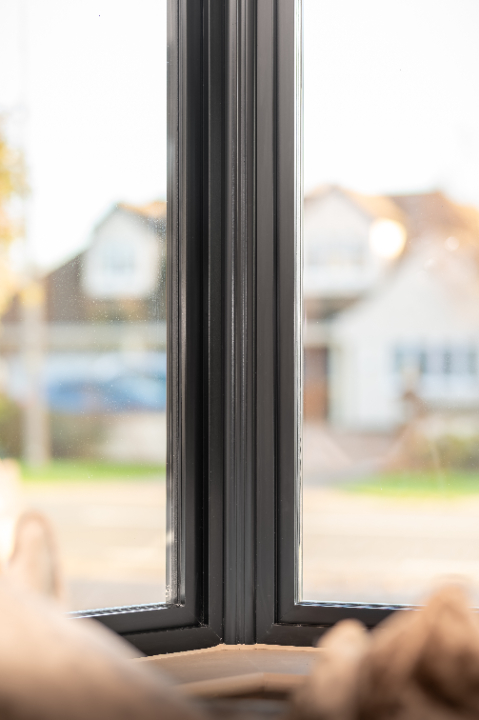
Aluminium windows and aluminium doors need relatively little routine maintenance, but regular cleaning and visual checks can still help keep them in good condition.
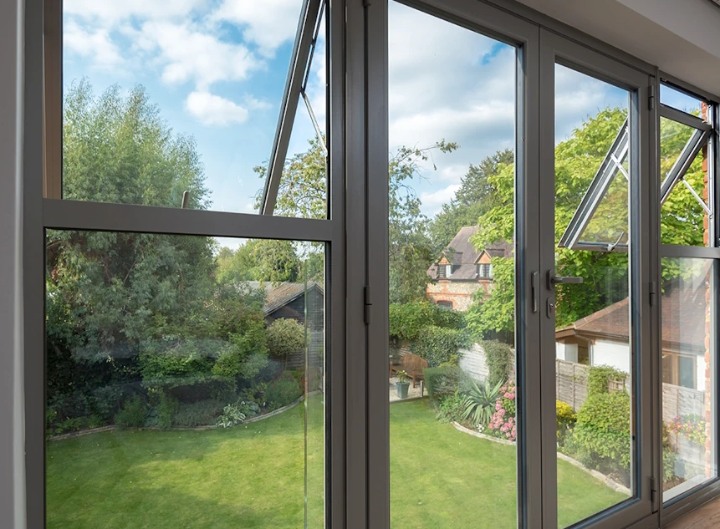
This is particularly important for larger systems such as bifold and sliding doors, where several components work together.
Aluminium maintenance checklist
- Clean the frame with warm water and a mild detergent
- Remove dirt and debris from the frame and sill
- Check the finish for chips, scratches or other visible damage
- Inspect drainage openings along the bottom of the frame
- Check that doors and windows open and close smoothly
- Look for signs of water getting where it should not
What you can do yourself: Regular cleaning and visual checks are safe and simple ways to look after aluminium frames.
When to call a professional: If a frame has suffered impact damage, a window or door is no longer operating correctly or you suspect an installation issue, have it assessed by a professional rather than attempting a structural repair yourself.
Looking after hinges, handles and locking mechanisms
Moving parts are used every day, so it is normal for hinges, handles and locking mechanisms to experience wear over time. A stiff handle or door that no longer closes properly can be an early warning that something needs attention.
Moving parts maintenance checklist
- Check that handles move smoothly without excessive force
- Make sure locks engage and release correctly
- Check for loose screws around handles and hinges
- Look for signs that a door or window has dropped or moved out of alignment
- Keep moving parts clean and free from dirt and debris
- Follow the manufacturer’s guidance when lubricating fittings
What you can do yourself: Basic cleaning and visual checks are fine. If your manufacturer’s guidance recommends lubrication, follow those instructions and use the appropriate product.
When to call a professional: A lock that will not engage, a badly misaligned door or a window that needs excessive force to close should be checked by a professional. Avoid forcing the handle or locking mechanism, as this could cause further damage.

AGS also provides ongoing aftercare and support for customers, including help with adjustments, condensation issues and window repair needs.
Checking gaskets and seals
Window and door seals help prevent draughts and keep water out. Over time, seals can become compressed, damaged or worn, which can lead to air leaks and water infiltration around the frame.
Seal and gasket maintenance checklist
- Check seals for cracks, gaps or visible damage
- Look for sections that have pulled away from the frame
- Clean away dirt and grit with a damp cloth
- Check for draughts around the edges of windows and doors
- Look for signs of moisture around the frame or sill
What you can do yourself: Cleaning the seals and checking them for visible damage is straightforward.
When to call a professional: If a seal has deteriorated or you continue to feel a draught after checking the obvious causes, contact a professional. Replacing a worn seal can be a much simpler solution than leaving the problem until it contributes to further damage.
Draughts should not automatically be treated by sealing every gap around a window or door. Ventilation is still important for maintaining good indoor air quality, particularly in rooms where condensation is an issue.
Keep window and door drainage clear
Windows and doors are designed with drainage channels that allow water to escape from the frame. If these become blocked with leaves, dirt or other debris, water may not drain away properly.
Drainage maintenance checklist
- Find the drainage openings along the bottom of the frame
- Remove visible dirt and debris
- Check that the openings are not blocked
- Look for staining or signs of water around the frame
- Check the sill after heavy rain for unusual water build-up
What you can do yourself: Removing visible debris and keeping the drainage openings clear is a simple maintenance job.
When to call a professional: If water continues to collect around the frame despite clear drainage openings, there may be an issue that requires professional attention. Do not dismantle the frame to investigate it yourself.
How often should I maintain my windows and doors?
A simple seasonal check is a good routine for most homes. Clean the frames, inspect seals and drainage and test handles and locks every few months. Moving parts should only be lubricated when recommended for your particular system. Regular checks can help identify minor problems before they become more serious.
Troubleshooting common issues
Why is my window foggy between the panes?
Condensation between the panes of a sealed double-glazed unit can indicate that the sealed unit has failed. This is different from condensation on the room-facing surface of the glass and normally requires assessment and replacement of the affected unit.
Why is my door dragging on the floor?
A door that has started dragging may have moved out of alignment or developed an issue with its hinges or other fittings. Do not force it closed. A professional can assess the cause and determine whether an adjustment or repair is needed.
Why can I feel a draught around my window?
Start by checking the seals around the frame for visible damage or gaps. If the seals look intact, the problem could be related to the way the window closes or locks. A professional can identify the cause and recommend the appropriate repair.
Why is there condensation on the inside of my windows?
Condensation on the room-facing side of the glass is often linked to moisture and ventilation inside the home rather than a failed window. Improving ventilation can help, but persistent condensation should be investigated if you are concerned about damp or mould growth.
Get in touch for expert advice
Regular door and window maintenance can help protect your home’s energy efficiency, security and comfort while giving you an opportunity to spot problems early.
If something does not look or feel right, at Advanced Glazing Systems we have years of experience installing and supporting windows and doors across Essex and London. We provide ongoing aftercare and can help determine whether an issue needs a simple adjustment, a repair or further attention.
You can contact our team for advice, book a video appointment to discuss your requirements or explore our help and advice section for more information about looking after your windows and doors.