

Types of double glazed windows explained
- 09 April 2026
- News
In 2026, consumers are greeted with a huge range of options for pretty much any purchase they make.
Whether browsing a digital menu at a drive-through, scrolling through endless pages of t-shirts online, or wondering which car manufacturer is the most reliable, deciding where to invest is often far from simple. That’s why at Advanced Glazing Systems, our range of double glazing is concise, as we’ve selected only the most appropriate window styles and materials for modern day life in Essex and London.
Double glazing is now present in around 90% of homes across the United Kingdom, as its benefits regarding thermal performance and security become increasingly well-known. We’re proud to offer only the most effective double glazing styles; casement, flush casement, sliding sash, bay & bow, tilt & turn and heritage.
In this blog we’ll explore those styles in detail, as well as the materials they are available in.
Introducing double glazing
Double glazing has become the standard across the UK, with around 90% of homes now using it. It became in-demand as older windows with just one pane of ordinary glass allowed heat to escape easily, which led to higher energy costs and uncomfortable living spaces.
Modern double glazing is made up of:
- Two sheets of glass, great for noise reduction
- A sealed gap filled with inert gases like argon
- A spacer bar that separates the layers of glass
This combination reduces heat transfer and improves thermal insulation. The number of panes and the type of glass used can also affect performance, especially when combined with options like acoustic glass for reducing noise levels or solar control glass to limit solar gain in sunnier rooms.
According to the Energy Saving Trust, replacing single glazing with A-rated double glazing can save up to £140 a year on energy bills.
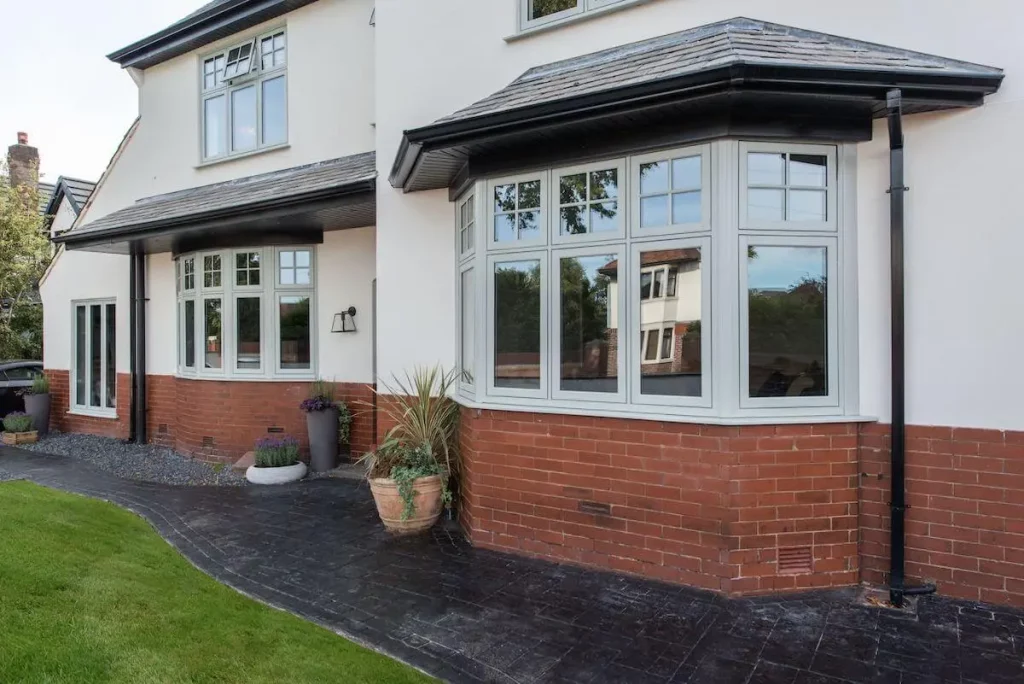
What types of double glazed windows are available to me?
Once you’ve decided double glazing is right for your home, the next step is choosing a style and material. We’ll start with window styles and what each one offers.
Window styles
Each window style has its own benefits, depending on your home and how you use the space.
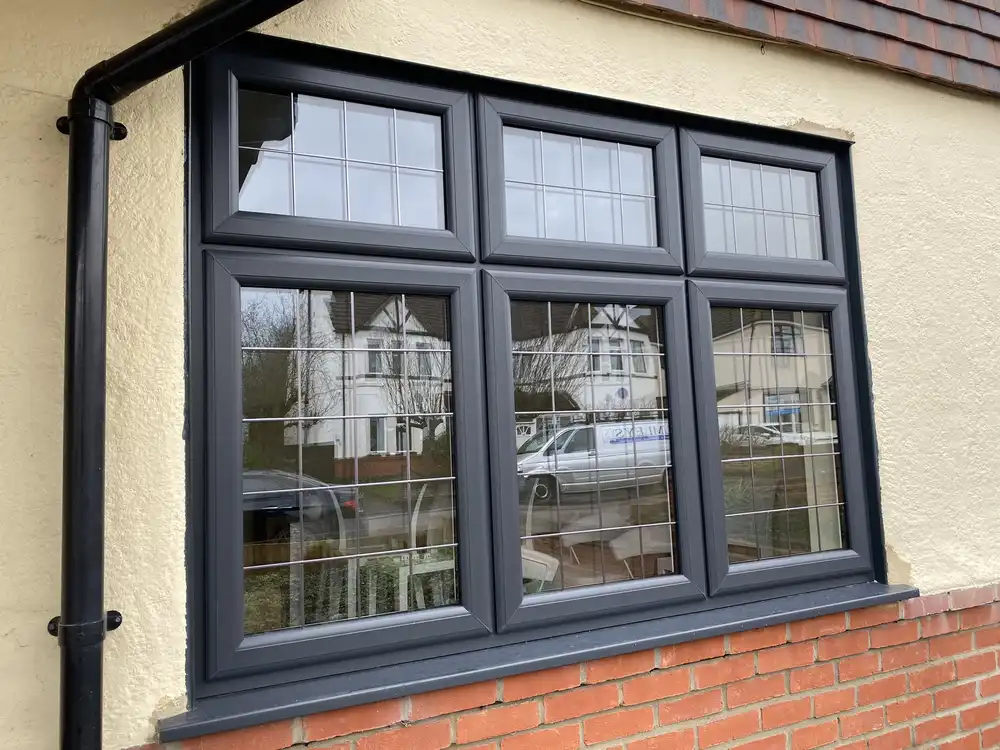
Casement windows
Casement windows are the most common style of double glazing in the UK. They are hinged at the side or top and open either outwards or inwards depending on your preference. You’ll find them on everything from modern homes to traditional properties.
They’re popular because they offer excellent practicality and suit most homes without needing complex design changes.
Benefits:
- Easy to open and close
- Good airflow, even with a small opening
- Strong thermal efficiency to reduce heat loss
- Suitable for most property types
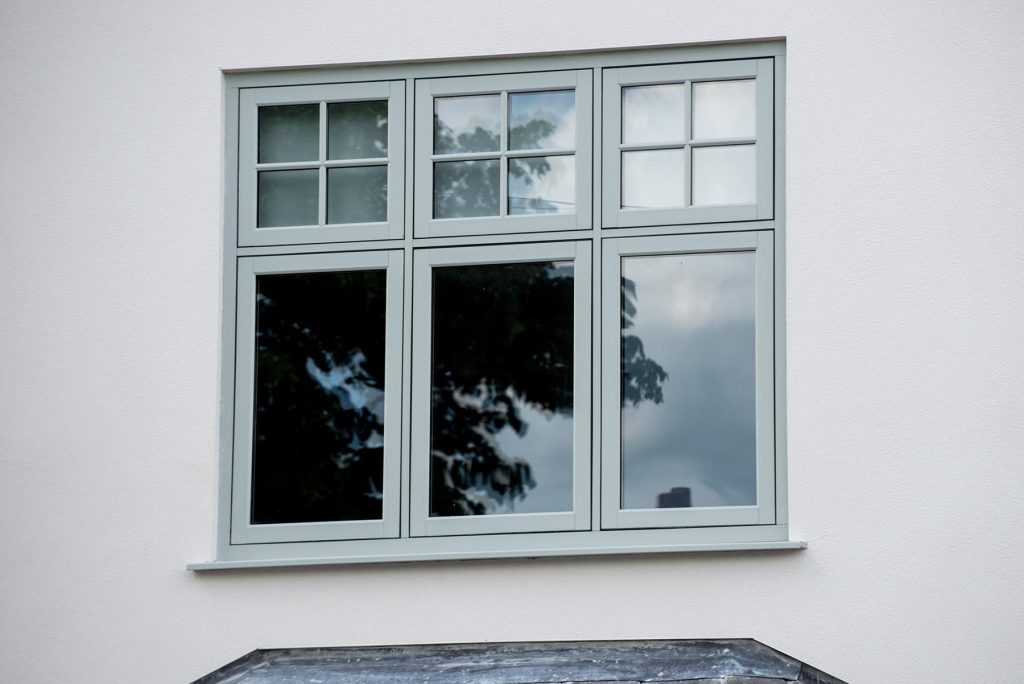
Flush casement windows
Flush casement windows are instantly recognisable, as the glass sits completely level within the window frame, giving a clean and streamlined look. If you’re looking for modern performance with a traditional, in-demand aesthetic they’re a really good choice.
Benefits:
- Satisfying, level aesthetic you’ll love more with each use
- Energy efficiency and insulation that’s on-par with competitors
- Wide choice of colours and finishes, including woodgrain effects
- Great for both modern and period homes
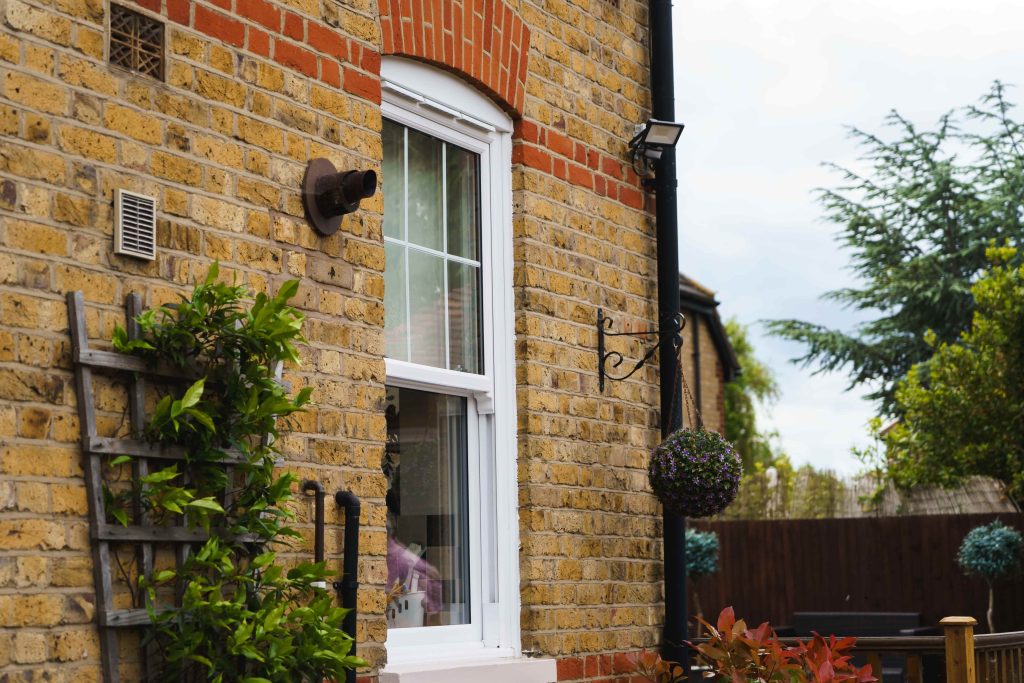
Sliding sash windows
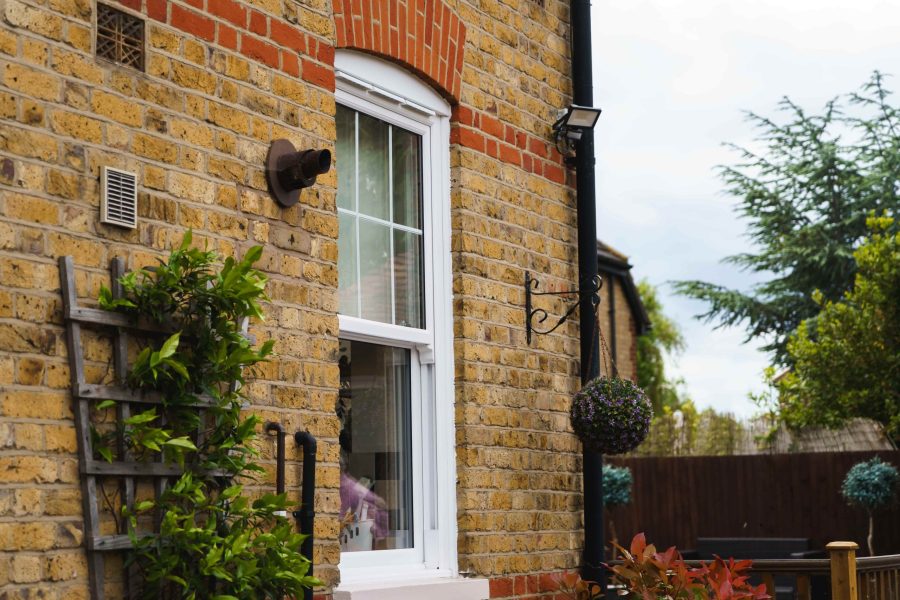
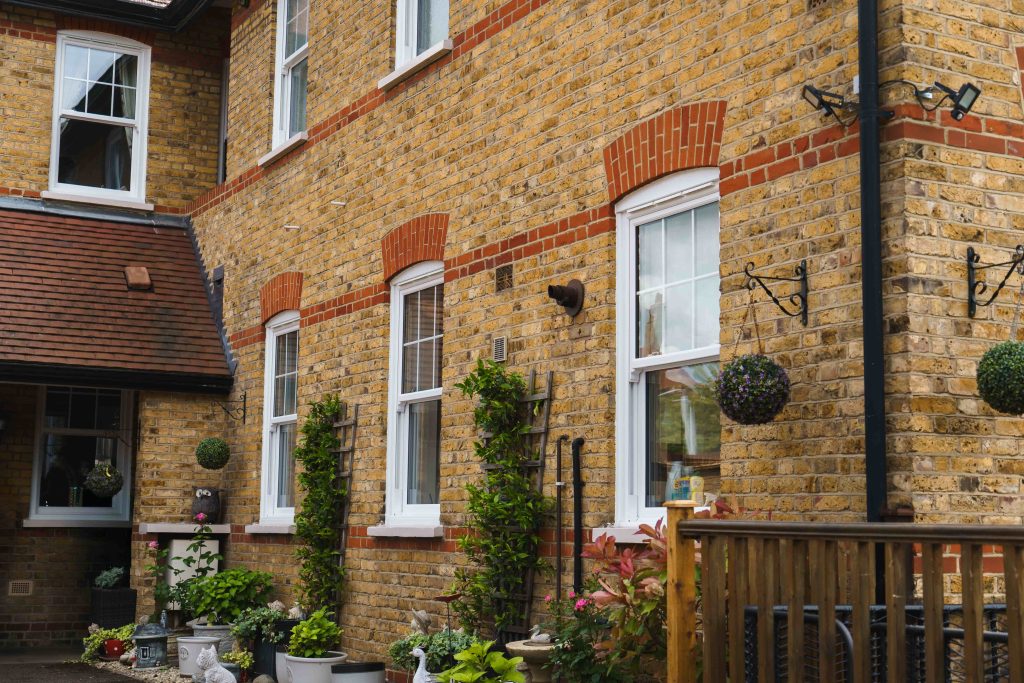
Sliding sash windows, sometimes called vertical sliding windows, are a traditional style where one pane of glass slides up and down within the frame.
They’re often chosen for period properties, but modern uPVC versions offer much better energy performance than older timber designs.
Benefits:
- Traditional look with modern performance
- Smooth vertical operation
- Greta for ventilation
- Space-saving as they don’t open outwards
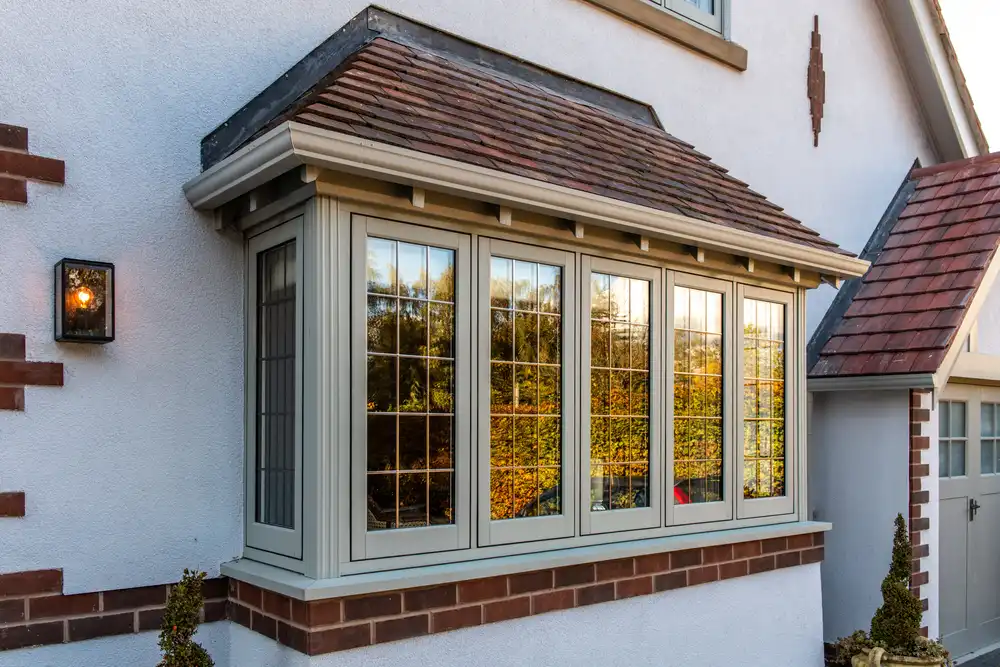
Bay and bow windows
Bay and bow windows extend outward from the property, creating a feature that adds both space and natural light.
They’re a great way to open up a room and improve the overall feel of your home.
Benefits:
- Adds extra space inside your home
- Lets in more natural light from different angles
- Improves kerb appeal and home value
- Can be tailored to suit different property styles
Tilt and turn windows
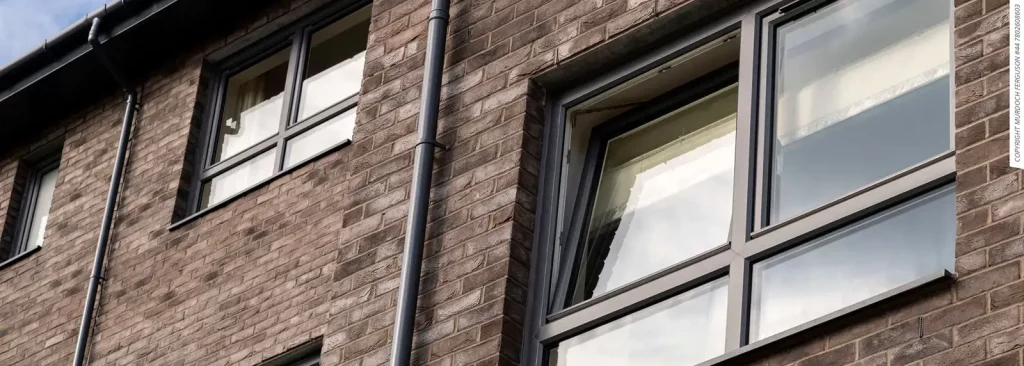
Tilt and turn windows are designed for flexibility. They can tilt inwards at the top for ventilation or fully open inwards for easy cleaning and access.
This makes them a practical choice, especially for upper floors, or a secure choice for a home with young children.
Benefits:
- Two opening options for flexibility
- Easy to clean from inside
- Good ventilation control
- High levels of security
Heritage windows
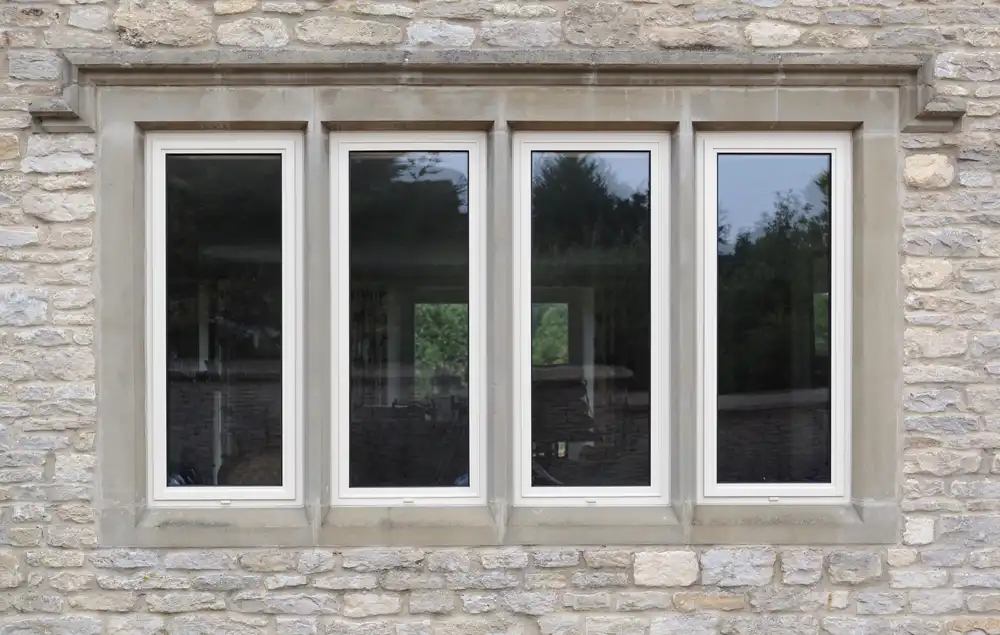
Heritage-style windows are designed to replicate the look of traditional steel or timber windows while using modern materials and glazing.
They’re ideal for older homes or conservation-style properties where appearance matters as much as performance.
Benefits:
- Slim frames with a traditional look
- Strong and durable construction
- Suitable for period homes
- Available in a range of finishes
Window materials
Choosing between materials comes down to style, budget and performance.
uPVC windows
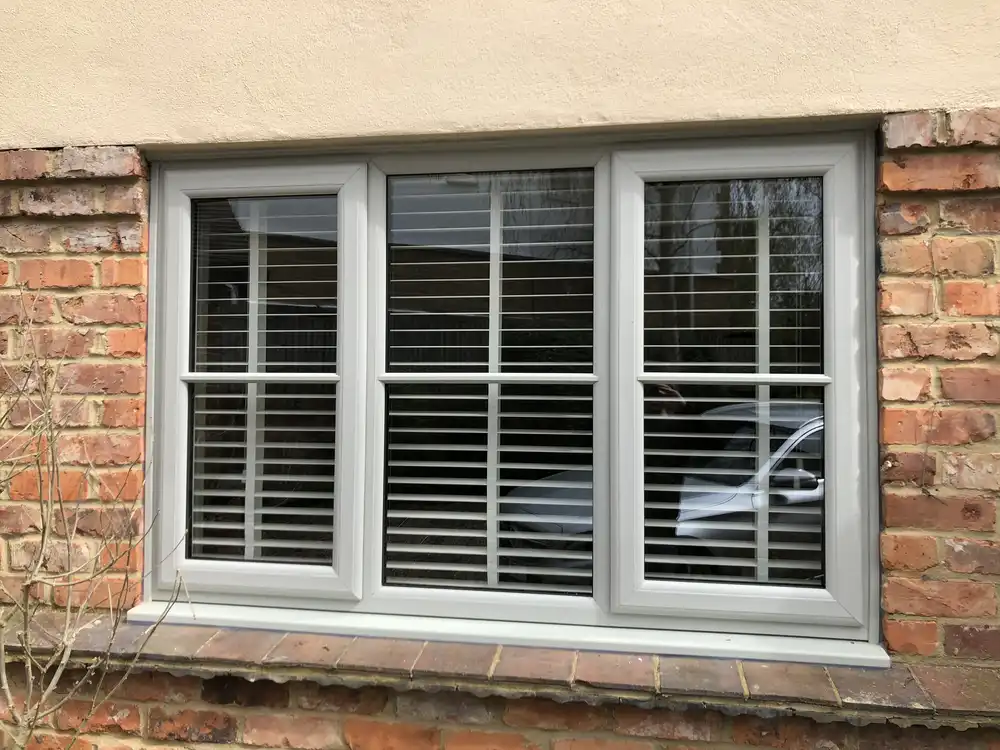
uPVC is a synthetic material that is the most popular option for windows and doors across the UK, not just in the South East. It’s widely chosen due to cost-effectiveness, but this is due to it’s ability to be mass-produced rather than a compromise in quality.
Benefits:
- Low maintenance
- Cost-effective
- High energy ratings
- Wide choice of finishes, including woodgrain effects
- Can be recycled around 100 times
Aluminium windows
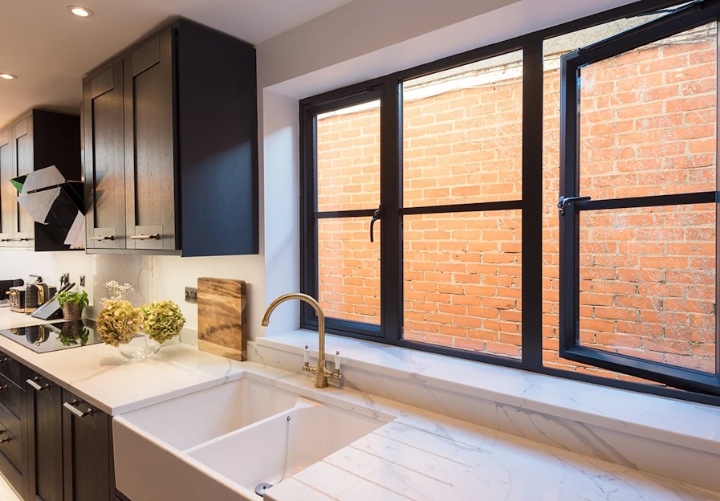
Aluminium is a strong, lightweight metal used for modern window frames.
Benefits:
- Slim, stylish frames = more natural light
- Long lifespan
- 100% recyclable
- Ideal for larger glass panels
- Available in over 100 RAL colours
- Very easy to clean
How can I upgrade my glazing further?
Once you’ve chosen your new window style, there are additional upgrades that can improve performance even more.
Low-e coatings
Low e glass has a special coating that reflects heat back into your home, helping to reduce heat loss.
Benefits:
- Better thermal efficiency
- Lower energy bills
- Helps maintain a comfortable temperature
- Reduces UV rays
Warm-edge spacers
Warm-edge spacers sit between the panes of glass and reduce heat loss around the edges of the window.
Benefits:
- Improved insulation
- Less condensation
- Better energy ratings
- Works with argon-filled sealed units
Who are Advanced Glazing Systems?
We are a family-run company established in 2004 by John Barnett, alongside Andrew and Julie Barnett. With decades of experience, we’re proud to supply and install high-quality glazing solutions across Essex and London. Our range includes:
- uPVC and aluminium replacement windows
- Sliding sash and flush sash windows
- Doors, conservatories and glazing upgrades
All of our new double glazing uses advanced 28mm sealed units with argon gas, low e coatings and Swiss warm-edge spacer bars, achieving A-rated energy performance and meeting current building regulations.
We are:
- FENSA registered
- A Which? Trusted Trader
- Accredited by Secured by Design
Every installation comes with a comprehensive 10-year warranty, giving you complete peace of mind.